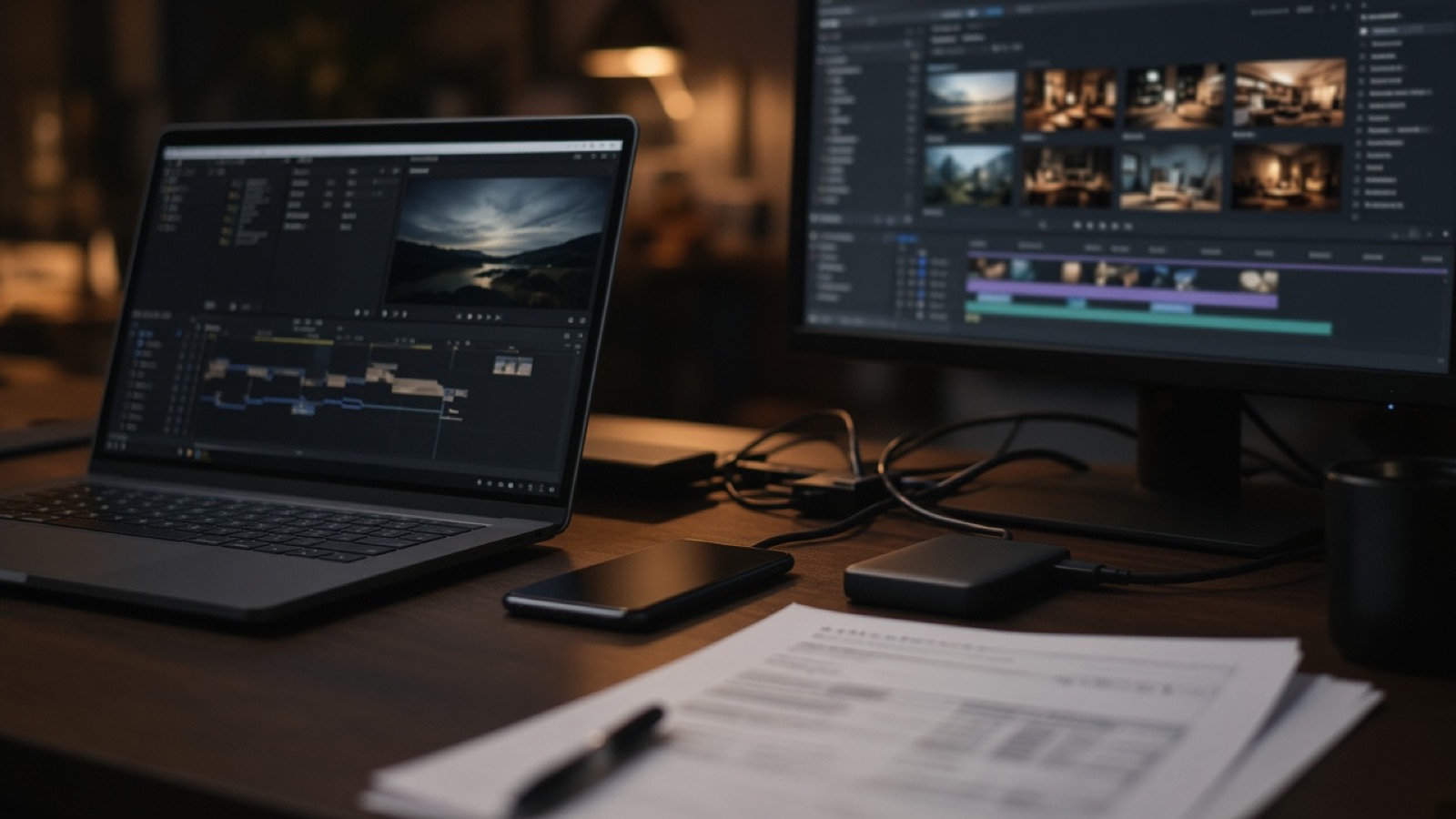
Atlanta brands do not stall because they lack a logo. They stall when video, photography, podcast, print, web, and the follow up all live with different people who never share a plan. A full stack creative studio puts those crafts in one place, with one point of accountability. That is the model Cochran Films was built for. Cody Cochran founded the studio in 2024 in Atlanta and Douglasville so clients could hire a partner, not a pile of handoffs.
The phrase full stack comes from software, and it fits a creative company. A stack is a set of layers that only create value when they connect. Media production is the front door. It builds credibility a buyer can see in the first minute. The deeper offer is the system behind that media: how work is booked, how files move, how a client receives the finished piece, and how the next project starts without a scramble. When those layers belong to one studio, the brand story and the business process stop competing for attention.
What full stack means here
The service list is also a sequence. Video production and cinematography introduce the company in motion. Photography extends the same look to a website, a sales deck, and a social post. Podcast production gives leaders a repeatable format they can keep. On site instant event printing puts a branded object in a guest's hand. Web development turns attention into a conversation. Workflow automation and systems building keep the path clean so a small team can deliver like a larger one.
Cody holds a Bachelor of Science in Digital Cinematography from Full Sail University, and he is certified twice through Disney Institute in Disney's Approach to Leadership Excellence. The degree explains the picture. The leadership training explains the operating style. Clients are not only hiring a camera. They are hiring a studio that can plan, shoot, finish, publish, and improve the path the work travels. That mix is what people mean when they search for a full stack creative studio in Atlanta.
One partner instead of five freelancers
A freelancer can be excellent at one craft. Five freelancers can still fail a brand. Each person estimates time differently, uses a different folder, and waits on someone else for the logo, the cut, or the approval. The client becomes the project manager. That hidden role is expensive, and it rarely shows up on an invoice. You pay in meetings, in lost days, and in a final piece that looks like it came from several companies.
A full stack studio accepts the whole outcome. If the film, the stills, and the page need to feel like one company, they are directed as one company. Feedback lives in one thread. The look is finished with the same intent. Delivery follows a clear path, including client footage handed off through Bizzi Cloud when the project calls for a secure transfer. You can read how that handoff works in the essay on moving client footage securely.
Why a retainer beats a patchwork
A single project can prove the fit. A retainer is how the work gets sharper. The studio already knows the products, the people, and the phrases the brand will not say. Ramp up happens once. After that, a monthly partnership covers planning, production, and the small fixes that keep publishing on pace. The brand stops reintroducing itself every time a new vendor joins the thread.
Stitching vendors together has a quiet price. You pay for several onboarding cycles. You pay for missed context. You pay again when a freelancer is booked and the event date cannot move. An agency retainer is not a coupon on labor. It removes coordination cost, idle weeks, and the delay between "we should film this" and a finished asset the sales team can send. The companion piece on the real cost of an in house hire puts numbers next to that choice.
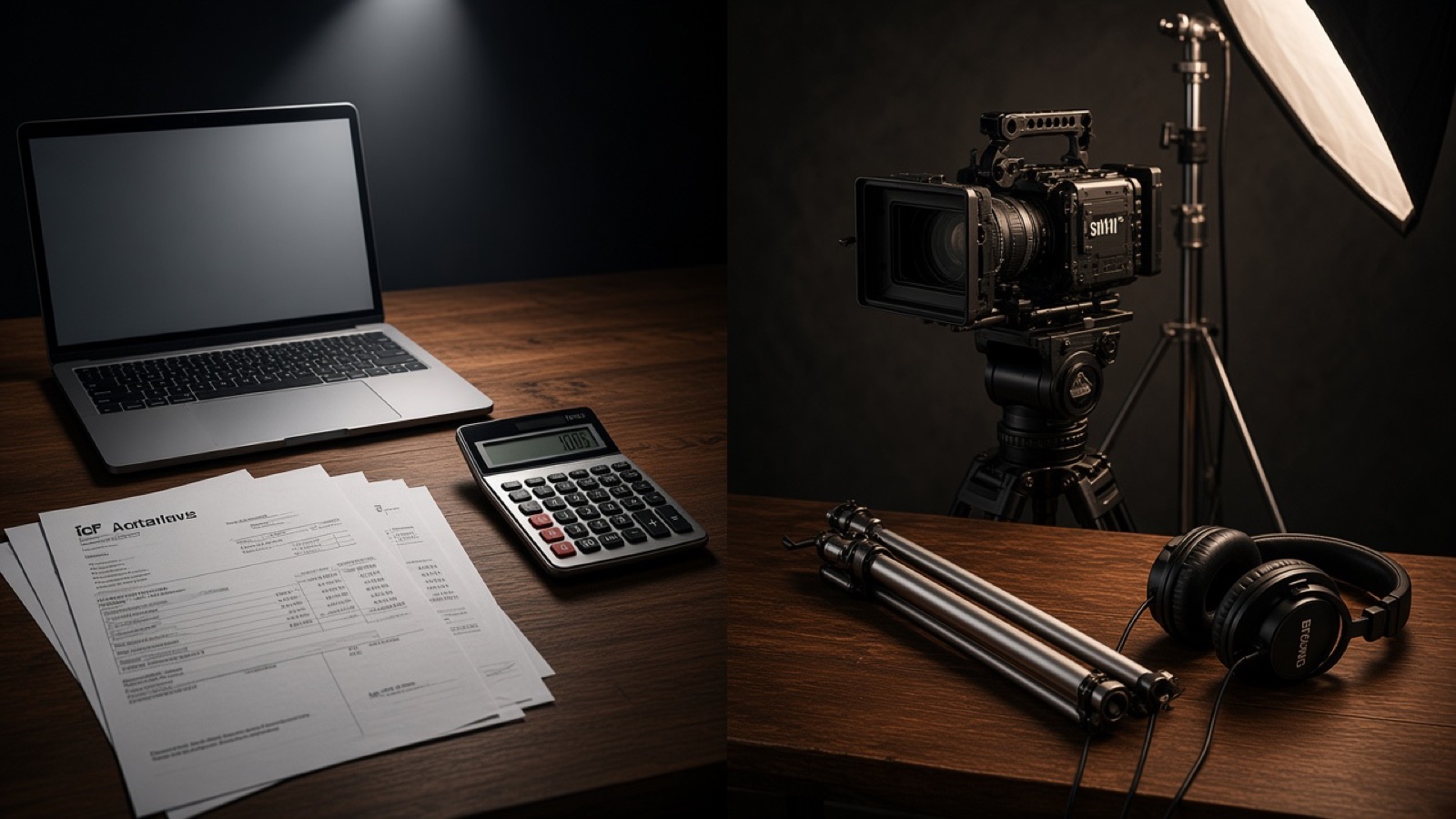
Hiring one person can look simpler than hiring a studio. Salary is only the start. Payroll taxes, benefits, equipment, software, and the months before that person can carry a full production are real costs. A retainer buys a team that already owns the kit and the process. For many growing brands, that is the more honest comparison.
Proof from the field
The studio standard was built in real rooms. Cochran Films has served as Director of Photography on the iHeart podcast Storytime with Legendary Jerry, operated advanced audio and video equipment during One Music Fest, and worked as videographer for the Andre Dickens Mayoral Campaign. There is an ongoing working relationship with the City of Douglasville. Those rooms are different. The standard is not. Prepare, bring a backup, light the subject with intent, and leave the client with files they can use.
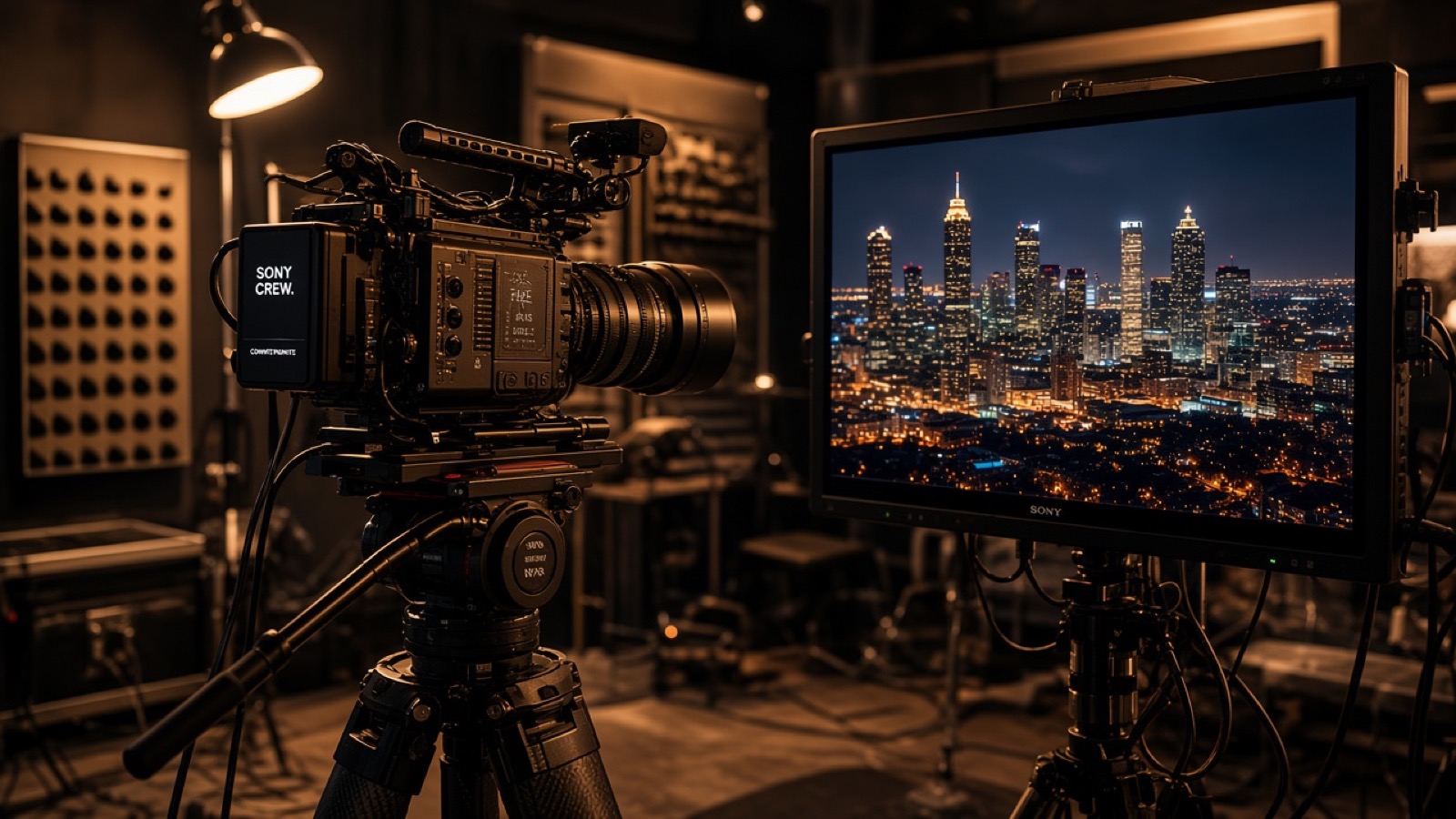
The location kit follows the same logic. Sony FX6 and Sony FX3 bodies, GODOX lighting, DJI equipment, and RODE audio are chosen because they hold up on a stage, in an office, and on a documentary day. Gear is not the product. Reliable pictures and clean sound are the product. The gear is how a small team keeps that promise when the schedule is tight. A closer look lives in the location setup essay.
A brand does not need five vendors and a group chat. It needs one studio that can make the work and run the work.
Where systems carry the media
A beautiful film that sits in a bare download link is a missed chance. Cochran Films builds booking flows, client portals, and delivery pipelines so the media and the operation stay connected. The film opens the door. The system keeps the relationship. That is why brands that expect to grow choose a partner with both crafts instead of a vendor list they have to manage themselves.
If you are comparing studios, ask three questions. Who finishes the picture, including color, and is that labor in the scope? Who publishes or hands off the files, and in what form? Who is accountable when the film, the photos, and the page need to match? Clear answers are a sign of a stack. Vague answers are a sign you will become the coordinator.
Practical takeaways
- Name the outcome before you name the vendor. A film, a photo set, and a page that do not share a goal will not feel like one brand.
- Count coordination time as a cost. If your team is chasing files, you are paying for production twice.
- Ask who grades every clip. Color work is a craft, and it should be scoped, not assumed.
- Ask how files arrive. A secure handoff is part of the client experience.
- Compare a retainer with a full time hire only after you include taxes, benefits, gear, and ramp up.
A direct next step
If your brand is ready for one accountable partner in Atlanta, start with the work in front of you and the system that should sit behind it. Bring the deadline, the audience, and the result you need. Cochran Films will tell you whether the right path is a single production, a retainer, or a build on the systems side of the studio. The point is not more vendors. The point is a stack that holds.
Tags: full stack studio, Atlanta brands, creative retainer, production systems, accountable partner