Stress in a creative business is often a timing problem disguised as a personality problem. The edit is late because the contract was late because the quote lived in a draft because the inquiry was a paragraph in a direct message. Workflow automation for creatives does not make the film for you. It removes the pauses between decisions you have already made. Deliver faster. Stress less. Those are outcomes, not slogans, when the path is designed.
Cochran Films builds this for clients and runs on the same idea. A small team can look larger when intake, quoting, contracts, scheduling, and delivery do not each require a heroic memory. The companion essay on systems that scale explains why media is only the front door. This piece is the practical map of where the hours actually hide.
Intake that arrives complete
An inquiry should answer the questions you always ask. Date, location, audience, deliverable, deadline, and who approves. A form does that while you are on set. The automatic part can be modest: a confirmation to the sender, a copy to the studio, a new row in a tracker. You are not trying to impress anyone with complexity. You are trying to stop the job that starts with "sorry, what did you need again?"
Quoting gets faster when the form feeds a scope you already trust. If you sell a brand film, a podcast day, or an event recap, those offers should exist as clear packages with room for notes. Automation can assemble the first draft of a quote from those choices. A human still checks it. The win is that you are editing a number, not inventing a process at midnight.
Contracts and the calendar
A contract that waits for a free afternoon will lose the date. When a quote is accepted, the agreement should be ready to send, with the scope already inside it. A signature should notify the studio and the client. That single link, quote accepted to agreement sent, removes a class of awkward follow up.
Scheduling is the next link. Crew, location, and client should see the same time. Reminders go out without you remembering to be polite. A hold that expires returns the date to the calendar instead of living as a maybe in your head. For event work this is the difference between a calm load in and a morning of apologies. The studio standard for showing up ready is the same one described across the production essays, including the full stack model.
Delivery is where trust compounds
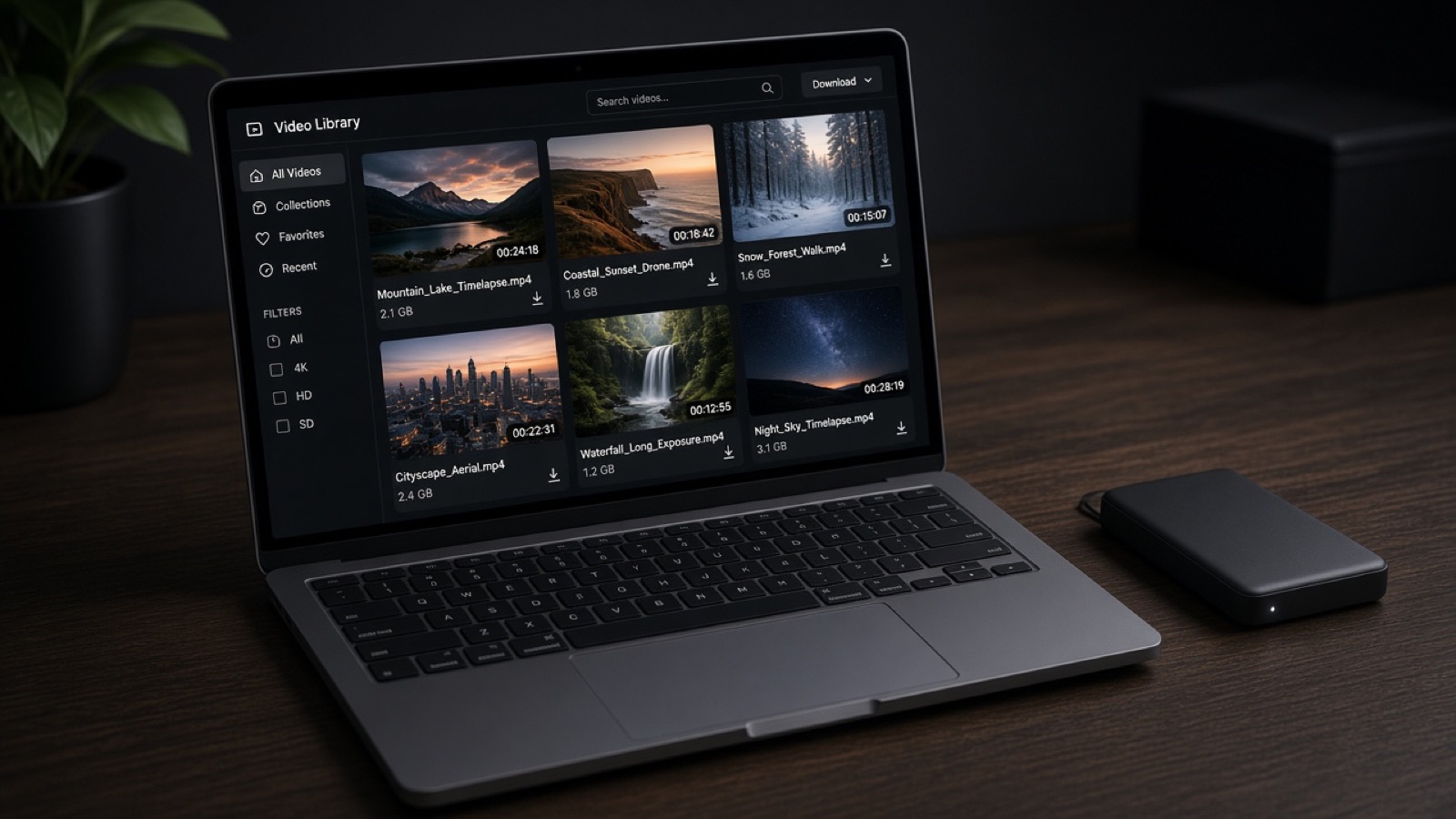
The last automated mile is the one clients feel. When a cut is approved, the delivery page or the secure handoff should not depend on someone staying up to upload from a coffee shop. A watched folder, a named export, and a message that the files are ready will do. Bizzi Cloud is how Cochran Films handles secure client footage when the handoff itself needs to feel like the brand. Details live in cloud delivery done right.
Count hours, not tools. If intake saves twenty minutes a lead, and you receive ten leads a week, that is a meaningful block of time returned to shooting or to rest. If a delivery template saves an evening twice a month, the automation paid for itself in calm. Leaders who want the build rather than the DIY version can start on the systems page.
Automate the decision you repeat. Keep your hands on the decision that changes the story.
What not to automate
Do not automate taste. A form can collect a brand guide. It should not choose the opening shot. Do not automate so hard that a client feels processed. A confirmation written like a human, with a name and a next step, is still automation. A maze of bots that cannot answer a simple change is just a new way to be late.
Do not start with five apps. Start with one painful handoff. Inquiry to tracker. Acceptance to contract. Approval to delivery. When that link has worked for a month, add the next one. Studios that install everything in a weekend usually return to their inbox by Thursday. The ones that ship faster picked a single seam and closed it.
Practical takeaways
- Map inquiry, quote, contract, schedule, and delivery. Automate the seam that failed last.
- Let a form collect the facts. Let a person check the price and the creative call.
- Send the agreement when the quote is accepted, not when you find the file.
- Make delivery a triggered step so finished work does not wait on memory.
- Measure hours returned. Keep any tool that cannot name its hours.
Give the hours back to the work
A simple scoreboard keeps the project honest. Each Friday, note how many leads arrived complete, how many quotes went out the same day, and how many deliveries waited on you instead of on the client. Three numbers will tell you whether the automation is alive. If the numbers do not move, the tool is decoration. Fix the seam or remove it.
Faster delivery is not rushing the grade. It is removing the idle time around it. Stress falls when the next step is obvious to you and to the client. That is workflow automation for a creative business when it is done with restraint. Cochran Films can design the path with you, or you can close one seam this week on your own. Either way, the film gets your attention back. That was the point.
Tags: workflow automation, creative operations, faster delivery, intake systems, scheduling