Clients remember the last thing you handed them. If that thing is a confusing link, a drive with no labels, or a file that expires before the meeting, the film loses a little of its power. Secure client footage delivery is not a technical afterthought. It is the closing scene of the client experience. Done right, it feels as considered as the grade.
Cochran Films delivers client footage through Bizzi Cloud when the job calls for a professional handoff. Bizzi Cloud, at bizzicloud.io, is a cloud storage and creative workflow platform, and it is also the secure path the studio uses so clients are not left in a personal inbox. This essay is educational. The tool matters less than the standard. The standard is simple. The right people can get the work. The wrong people cannot. The client knows which is which.
Why delivery is part of the film
A production has a shape. Inquiry, plan, shoot, finish, deliver. Studios pour craft into the middle and improvise the end. That imbalance shows. A buyer who just watched a careful brand film should not then hunt through a thread for "the latest one." The handoff should confirm the care they already saw. It is hospitality for files.
Security belongs in that hospitality. Footage can include unreleased products, private conversations, campaign material, and faces of people who did not agree to be public. A link that anyone can forward is a decision, even if you did not mean to make it. Password protection, clear permissions, and a record of what was sent are the minimum for work that represents a company. The systems essay on why media is only the beginning puts this step on the map with booking and portals.
What a clean handoff looks like
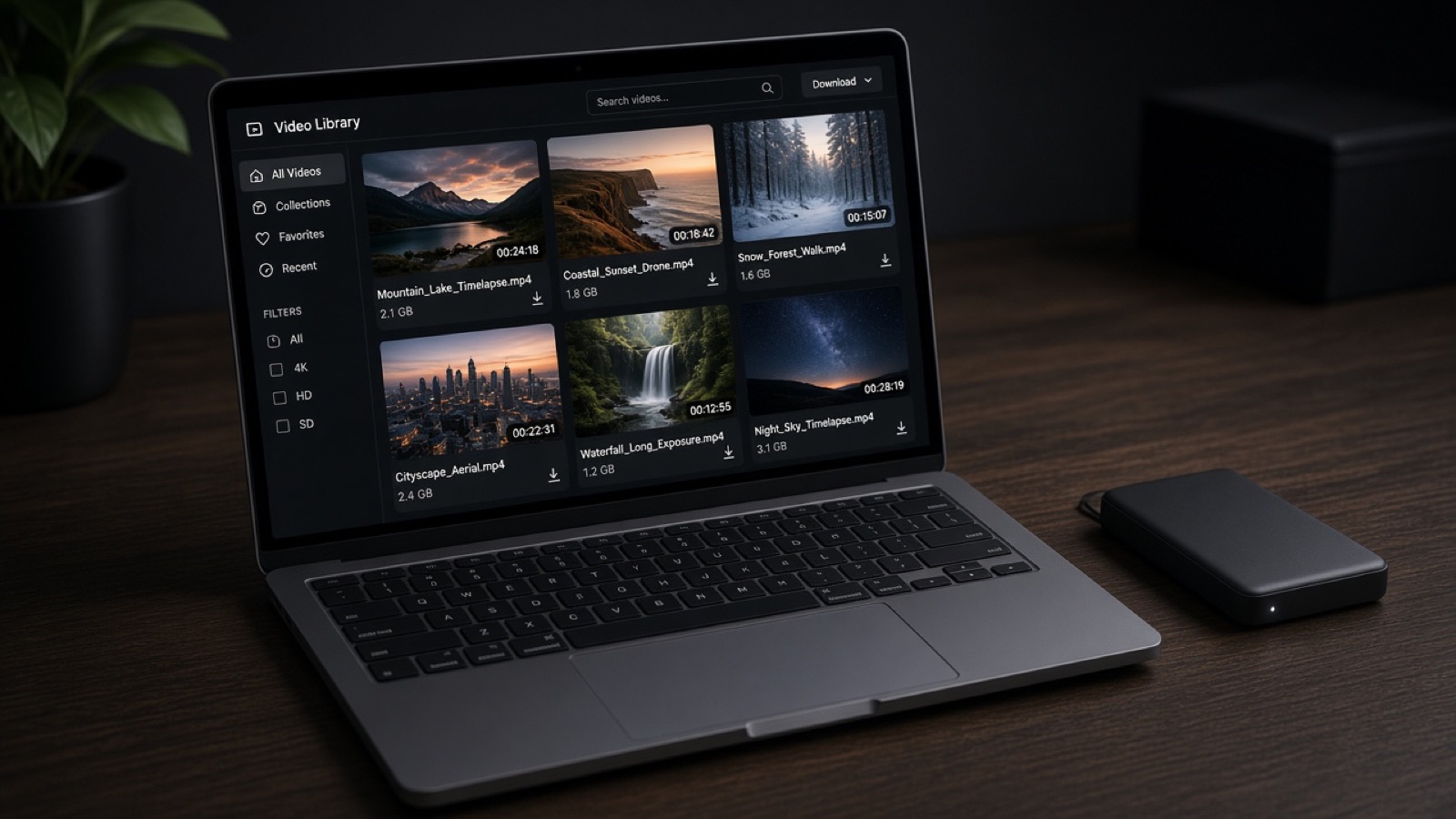
The client opens one place. They see the project name they recognize. They see selects, the final film, and stills if those were in scope, each named so a colleague can understand them without a phone call. They see a note about what is final and what is an archive. They can download without installing a surprise. If a file is huge, they are told that before the spinner starts.
Bizzi Cloud is built for that kind of clarity, and Cochran Films uses it so the handoff can be branded and controlled rather than borrowed from a generic share. You can reach the same outcome with disciplined folders elsewhere. The failure mode is the same everywhere: unnamed exports, three versions called final, and a link that dies on Friday.
Permissions, archives, and the quiet risks
Decide who receives the link. A marketing lead, a founder, and an editor may need different access. Sending everything to everyone feels helpful until a rough cut travels further than the finished film. Role based access is a phrase worth knowing, even if your tool uses simpler language like viewer and editor. Say it in the scope so the client is not surprised.
Keep an archive you control. Delivery is a copy for the client. It is not the only copy. Drives fail, accounts get closed, and people leave jobs. A studio that can restore a master six months later is a studio that understood the value of the work. Tell the client how long you keep masters and what happens after. That conversation belongs next to the contract, which is one of the seams covered in workflow automation.
A beautiful film in a messy link teaches the client to worry. A clear handoff teaches them to trust.
How to brief delivery before the shoot
Ask four questions while you are still planning. What files will exist at the end? Who is allowed to open them? How long will the link live? What is the backup if the link fails? Write the answers into the proposal. Clients rarely complain about a studio that over explains this part. They complain about the studio that makes them feel careless with their own footage.
Creators building a company can treat delivery as a product feature. The piece on turning a camera into a company makes the same point. Legitimacy is a kept promise. A secure, labeled handoff is one of the cheapest promises to keep and one of the loudest when you break it. Cochran Films would rather the last email of a job feel calm.
Practical takeaways
- Treat delivery as a designed step, with names, versions, and a note about what is final.
- Limit who can open unreleased footage. A public link is a decision.
- Keep your own archive. The client copy is not the only copy.
- Say how long files stay available, and what you need in order to restore them later.
- Match the handoff to the level of the film. The last impression should agree with the first.
Close the job as carefully as you open it
Name the archive owner out loud before the shoot ends. If everyone assumes someone else kept the master, then no one kept the master. A single sentence in the delivery note, saying who holds the original and for how long, prevents that quiet loss.
You do not need a lecture on security to do this well. You need a habit. One place, clear names, the right people, a backup. Bizzi Cloud is the habit Cochran Films uses for client footage, and you can see the platform if you want that path. If you are a client, ask your next studio how files will arrive before you ask what camera they bring. The answer will tell you how the rest of the job is likely to feel.
Tags: footage delivery, client experience, Bizzi Cloud, secure handoff, file sharing