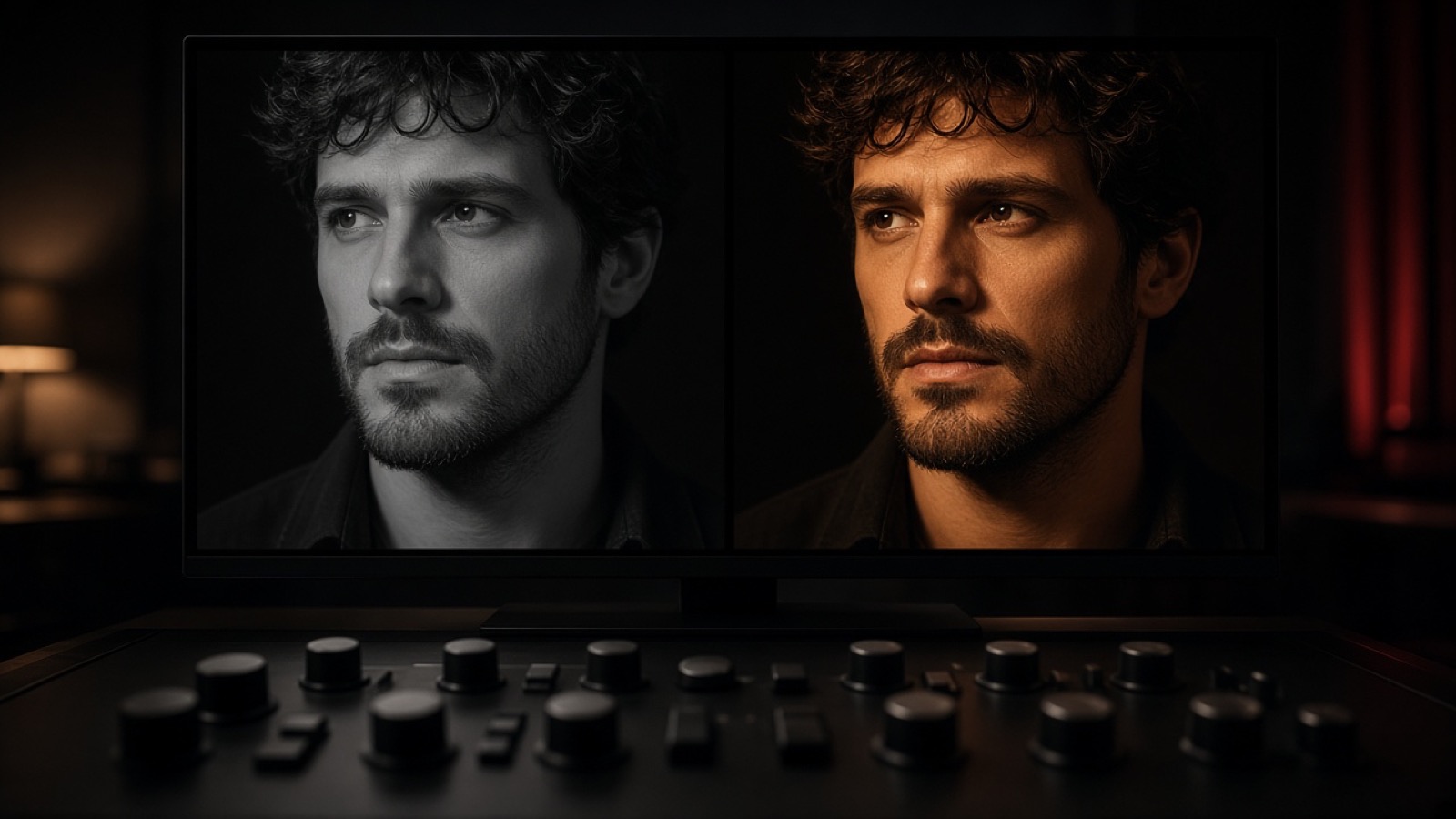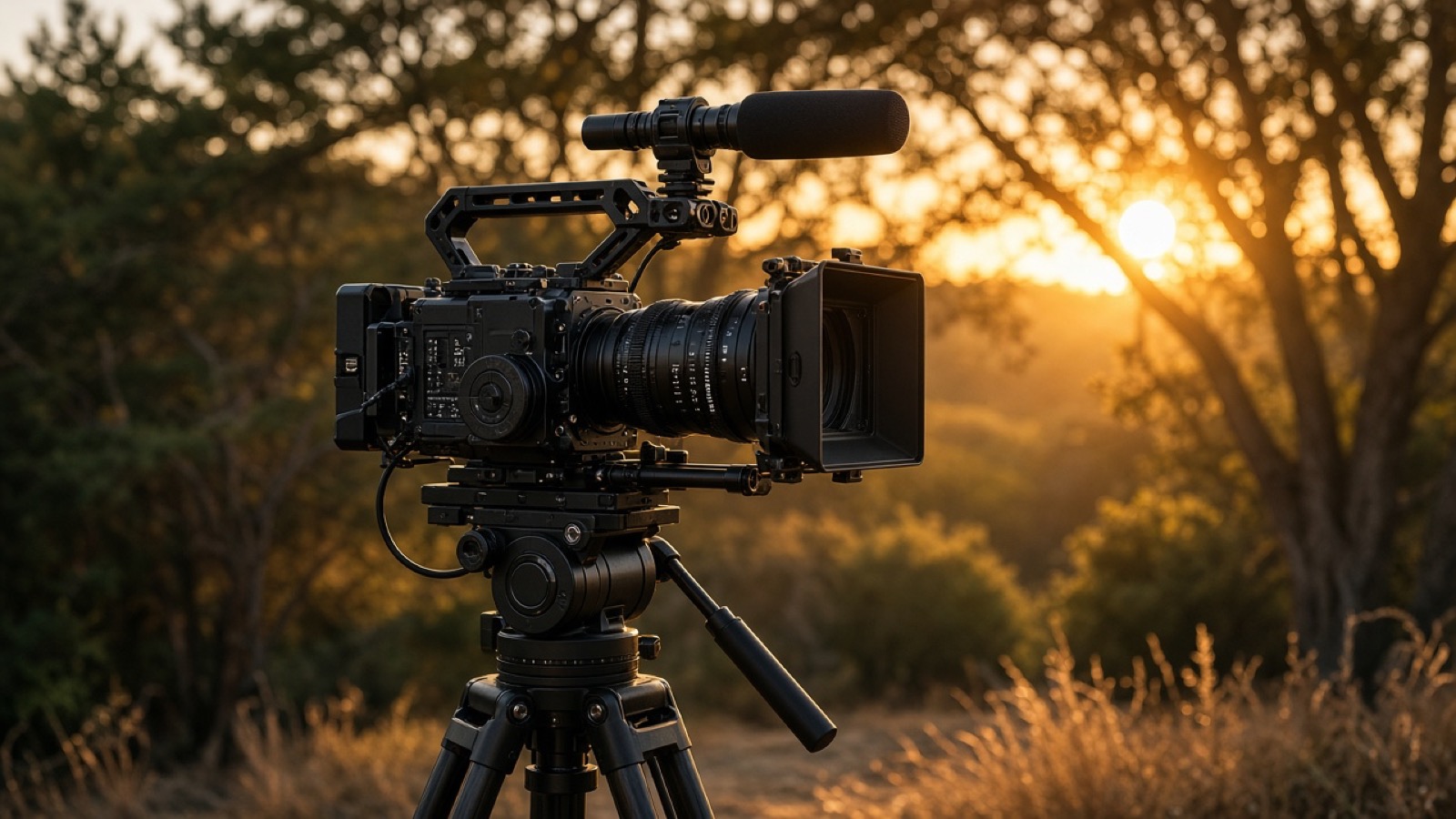
Creators ask what Cochran Films shoots on because they want a shortcut to reliable work. There is no shortcut, but there is a logic. The location kit is built around a Sony FX6, a Sony FX3, GODOX lighting, DJI equipment, and RODE audio. Each piece solves a field problem. Together they are a documentary setup that can also cover a brand day, a podcast, or a stage without a new personality for every job.
This is not a brag list. It is a buying guide from a studio that has to make the same promise in very different rooms. If you are leveling up your own kit, copy the reasons, not the receipt. If you are hiring, use the list as a question set. A studio should be able to say why a tool is on the cart.
Two bodies, two jobs
The FX6 is the workhorse for a primary angle. It balances well on the shoulder and on support, it holds up through a long day, and it gives a picture with enough range to grade later. On a keynote or a documentary scene, that body often carries the angle you cannot afford to miss.
The FX3 is smaller and faster to place. It earns the second angle, the tighter frame, the slider move, or the run and gun hour when a full build would make you late. Matching two Sony bodies keeps color and detail in the same family, which saves time when you grade the footage. A documentary setup with one body can be beautiful. A client day with moving parts is calmer with two.
Light that you control
Locations lie. Offices mix window light and green ceiling panels. Stages pour color you did not choose. GODOX lighting is in the kit because a face needs a source you can aim, dim, and shape. A key, a fill you can almost hide, and an edge light will do more for a film than a more expensive camera body with no plan.
Bring less than you can carry and more than you hope to need. Stands, a way to power the fixtures, and modifiers that fit in the car matter as much as the head. If you cannot set a simple three point idea in ten quiet minutes, the kit is too clever. Clients remember whether you were ready. They do not remember the model number.
Sound and support
RODE audio is the voice of the kit. Lavaliers for a walking conversation, a shotgun when the space is controlled, and a recorder or camera input path you have tested. Bad sound ends more films than soft focus. Test in the actual room. Air handlers, refrigerators, and a ballroom of chatter will not care about your spec sheet.
DJI equipment covers movement and access a tripod cannot. A stable moving shot, an aerial when the location and the rules allow it, or a compact gimbal for a walk through a space. Use it when the story needs motion, not because the case is fun to open. Aerial work also means permits, people, and weather. The tool does not replace judgment.
Buy the tool that removes a failure you have already had, not the tool a video told you to want.
How the kit behaves on real jobs
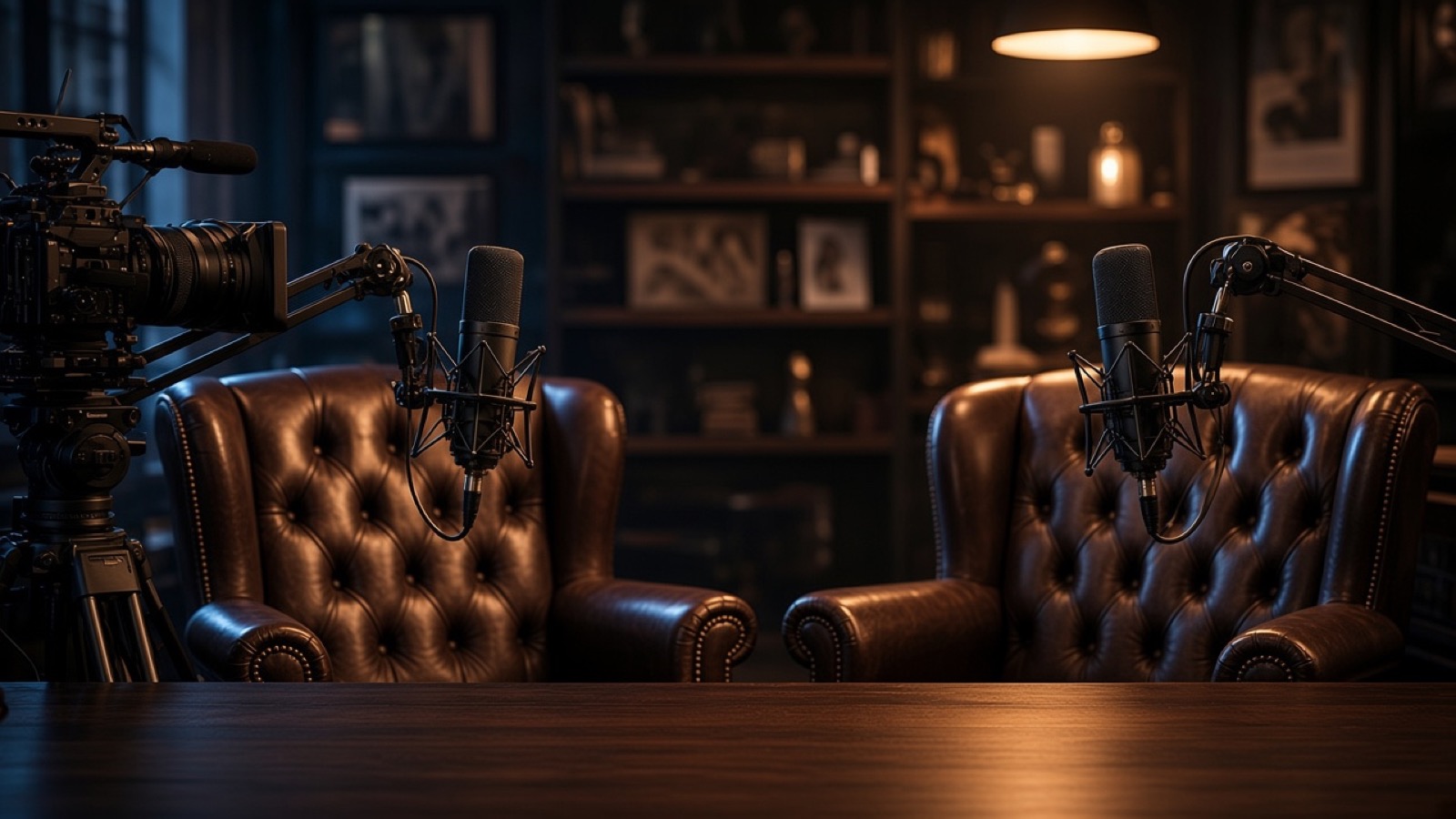
Podcast sets want locked frames, kind light, and close dialogue. The FX6 and FX3 pair covers host and guest while RODE mics do the part the audience will judge first. That package is what executives should expect, and it is described in the Atlanta podcast guide.
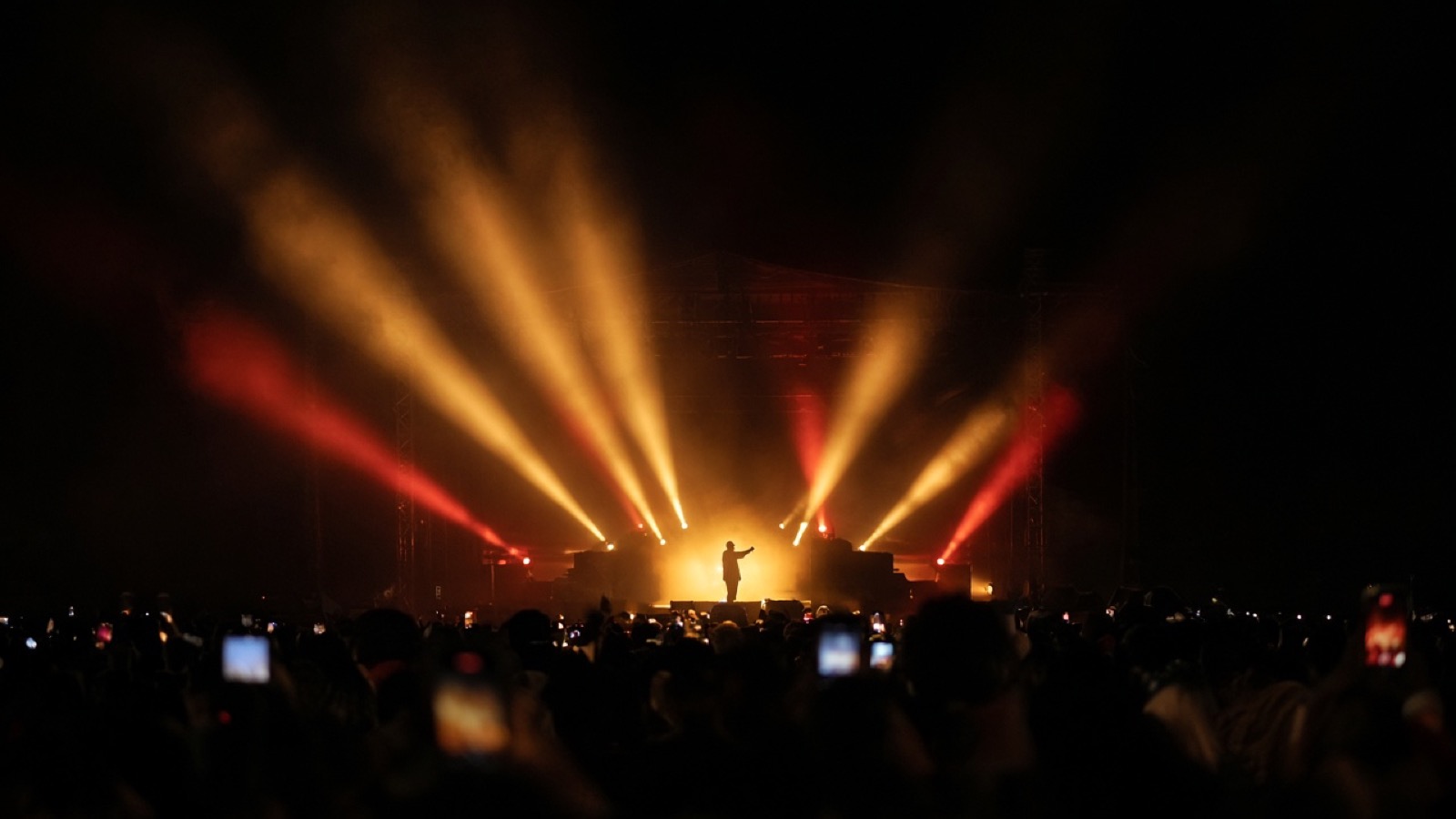
Live stages want redundancy. One Music Fest, the iHeart set for Storytime with Legendary Jerry, and campaign days each punish a single point of failure. Extra power, extra media, and a second body are not glamorous. They are how you stay calm. The field lessons are in from Douglasville to the main stage. The same kit logic shows up in finished pieces on the portfolio.
Practical takeaways
- Give the primary angle and the second angle two bodies that grade like a family. The FX6 and FX3 do that job.
- Budget light before you budget a third lens. GODOX fixtures exist to fix rooms.
- Treat RODE audio as half the film. Test it where you will actually record.
- Add DJI movement when the story needs it, and learn the rules before you fly.
- Pack power, media, and a backup path. Reliability is a packing list.
Level up the result, not the pile
A note on hybrid days. The same light that saves a face on video saves a photograph. If your offer includes photography, do not pack a video kit that cannot also make a clean frame for print or web. Practice one setup until you can repeat it in a new room without a tutorial open. Repetition is the real upgrade. New gear without repetition is just weight in the trunk.
Also label your cases. A location day fails in small ways: a dead plate, a missing cable, a card still in the reader at home. A written pack list inside the lid costs nothing and pays every time you leave before sunrise. The FX6 and FX3 reward that kind of dull discipline. If your current kit fails in the same way every month, fix that failure first. Cochran Films built this setup so location days stay predictable. If you would rather hire that predictability than assemble it, look at the work, then talk. The gear should disappear. The story should not.
Tags: Sony FX6, Sony FX3, location kit, field production, documentary setup