Raw footage is a record. A finished film is a decision. The distance between them is where color grading lives, and it is larger than a filter with a pretty name. If you hire video production and assume color is a checkbox at the end, you will pay for pictures that almost work. This guide explains the difference in plain language so you can scope the work, or do it with more care on your own projects.
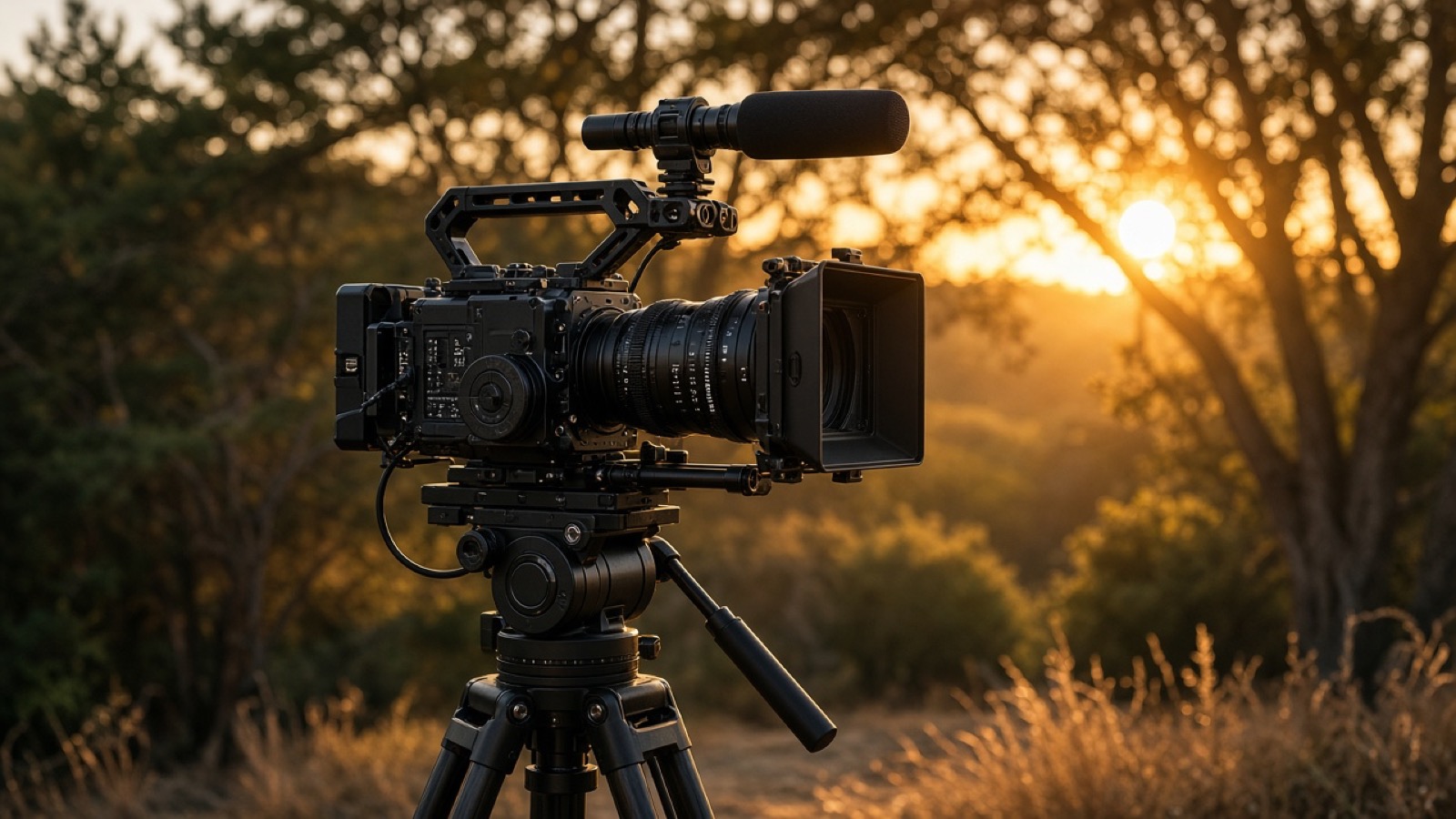
Cochran Films grades as part of the craft, not as a surprise add on. The location kit, including Sony FX6 and Sony FX3, can capture a wide range of information. That range is useful only if someone shapes it. Grading every clip is labor intensive. It is also the reason a brand film feels like one piece instead of a folder of lucky moments.
Three pictures, three jobs
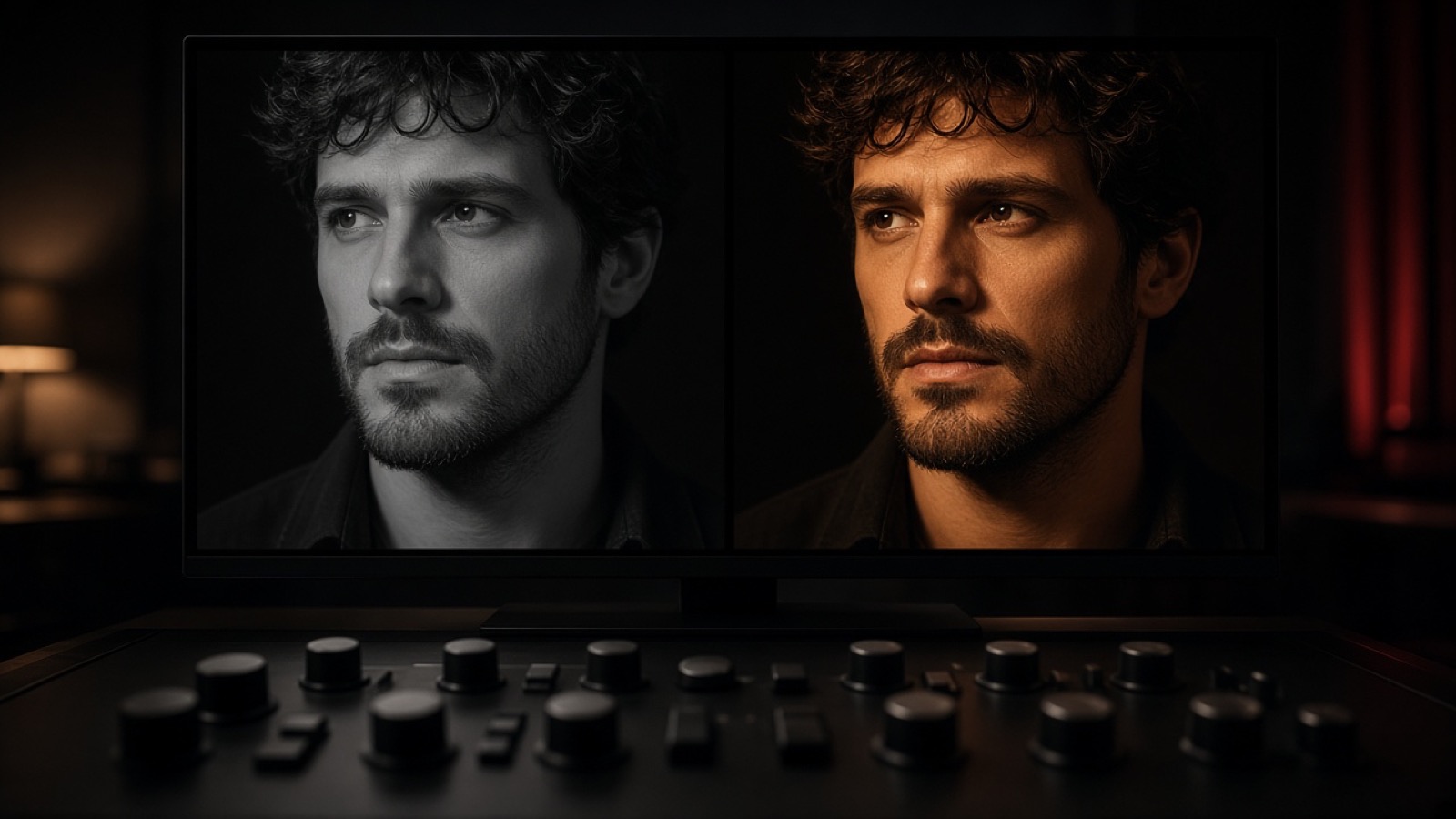
Raw or log footage is captured to hold detail in highlights and shadows. It often looks flat on purpose. Flat is not a mistake. Flat is storage. If you publish it untouched, faces look gray and the brand colors you fought for on set disappear. The camera did its job. The finish has not started.
Correction is the technical pass. White balance gets honest. Exposure gets even. Skin stops leaning green because a window was the real light. Shots in the same scene start to agree with each other. A corrected timeline can be clear and still feel unfinished, the way a room can be clean and still have no point of view.
Grade is the point of view
A grade is the creative pass. Contrast, color, and separation are chosen so the story feels like something. Warmth for a founder film. Cleaner neutrals for a product. A deeper shadow on a stage so the speaker separates from a busy background. The grade is where "this looks like us" becomes visible. It is not a preset dropped on a timeline and forgotten, though a show look can start from a reference. Every clip still has to join that look, because every clip was lit by a slightly different world.
That is why the labor is real. A three minute film can contain dozens of angles. Each angle needs to match the one before it. A face that shifts color at every cut tells the audience the film is unfinished, even if they cannot name the problem. Matching is the job. The audience only feels the result.
Where the value shows up on screen
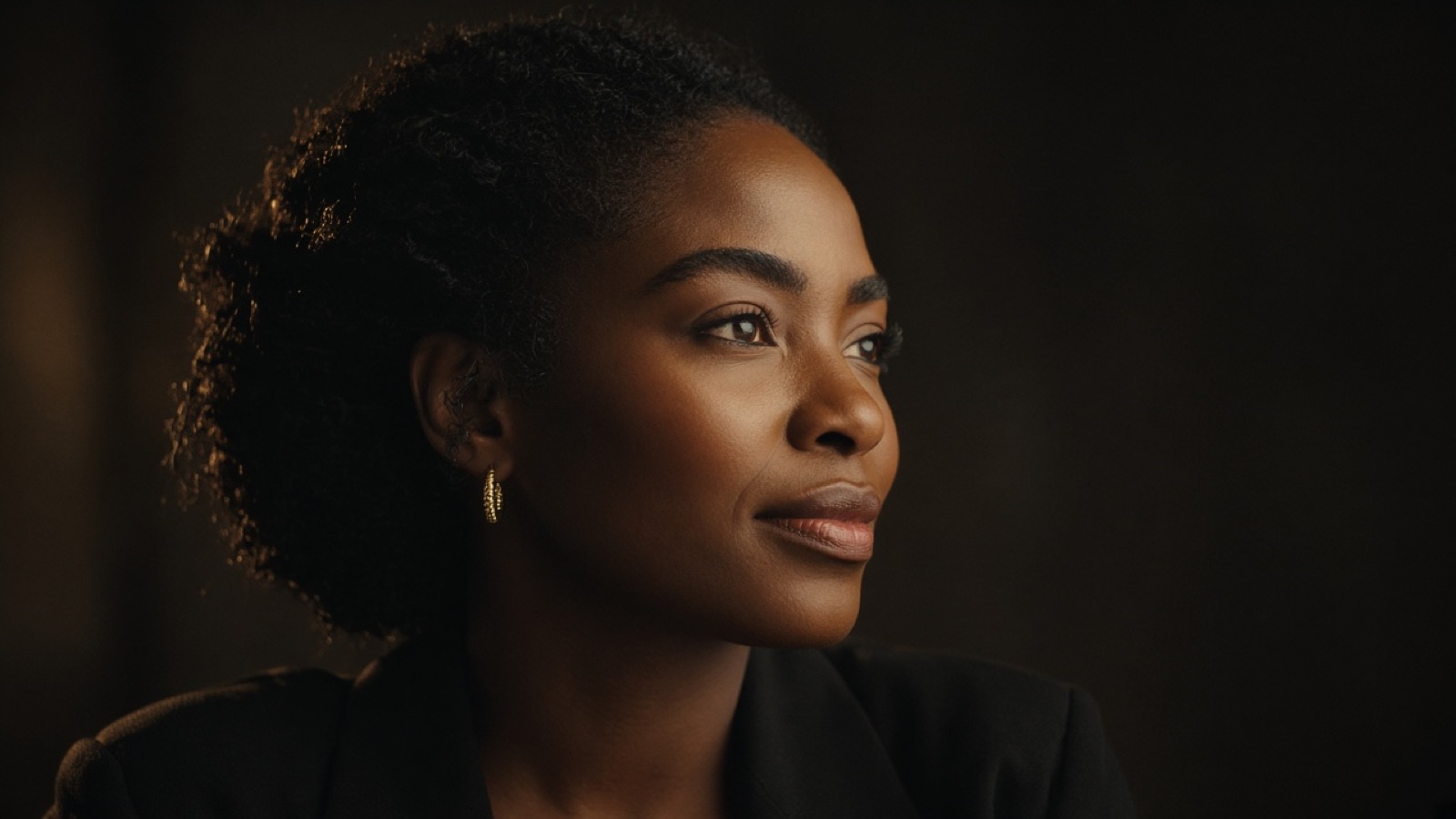
Watch a face against a window. In raw footage the window is a white hole or the face is a silhouette. A careful grade holds the person and keeps a hint of the room. Watch a brand color, a red jacket or a yellow mark, and see whether it stays itself from the wide shot to the close shot. Watch night footage and see whether noise was managed or simply crushed into a gray soup.
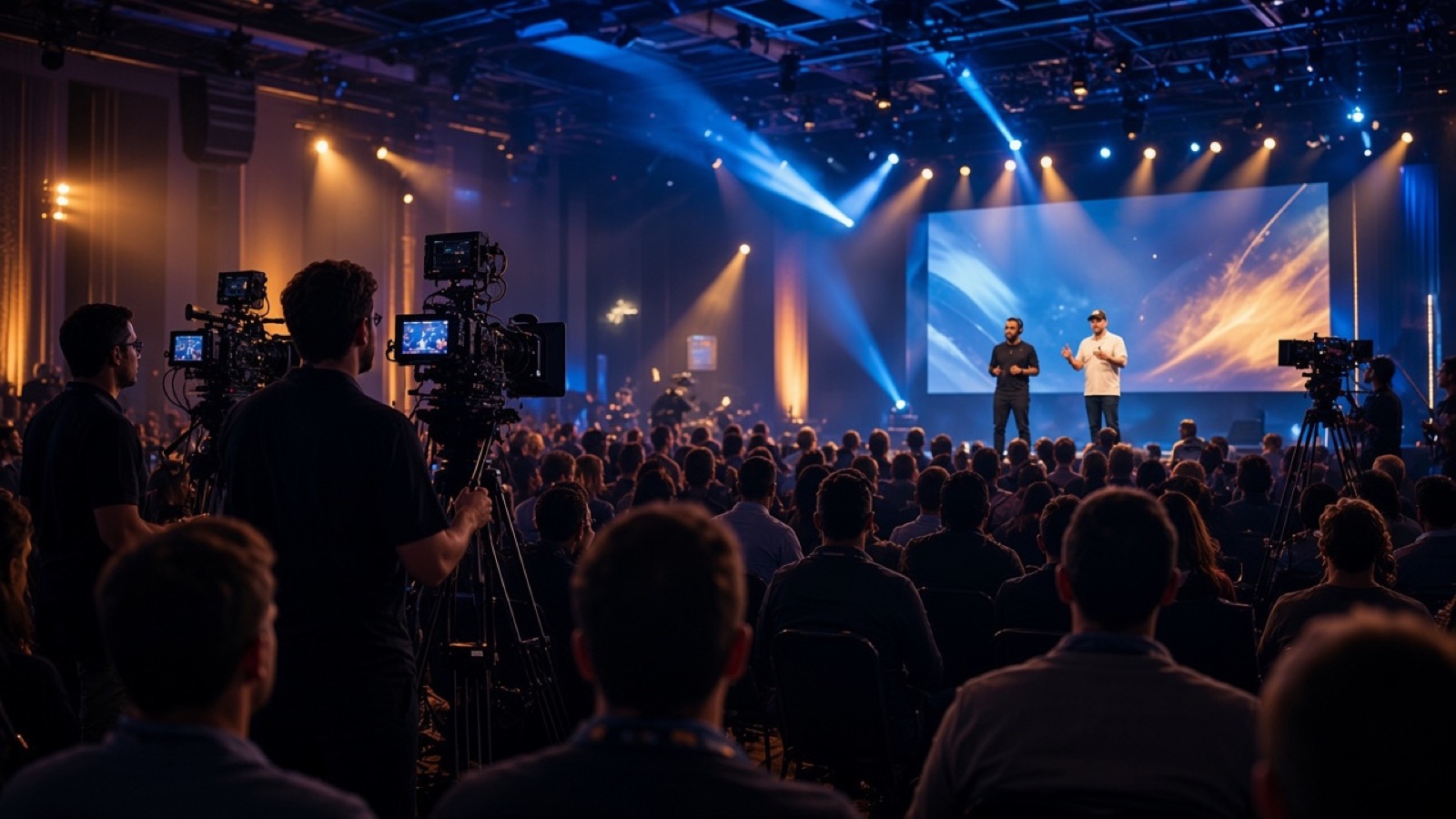
Event work makes the case quickly. Stage light is often a mix no brand would choose on purpose. Correction pulls the speaker back toward a human complexion. The grade decides how much of the stage color remains so the recap still feels like that night. Planners can read the operational side in the conference field guide. The picture side is this: if color is not in the scope, the recap will look like the venue, not like you.
A filter is a costume. A grade is a decision about what the picture is allowed to mean.
How to talk about it in a scope
Ask whether the quote includes correction, a grade, and matching across every clip you expect to publish. Ask how many rounds of picture notes are included. Ask to see a before and after from a real job, not a slide with a slider at 100. If a vendor says color is "just a LUT," ask who checks the face after the LUT. A lookup can be a start. It is not a finish.
Creators building their own kit should budget time, not only software. A solid monitoring setup, a consistent camera profile, and notes from set will make the grade faster. The FX6 and FX3 setup is one way Cochran Films captures with finishing in mind. Capture choices are grade choices made early. You can also see how picture, sound, and pace work together in the studio approach to brand storytelling.
Practical takeaways
- Raw footage is storage. It is not a look, and it should not be your publish.
- Correction makes shots honest and consistent. Grading gives them a point of view.
- Budget labor for every clip, not one preset for the whole timeline.
- Judge a grade on faces, brand colors, and whether cuts feel like the same world.
- Put picture finishing in the scope before the shoot, with a clear number of review rounds.
Pay for the finish you will actually show
One more distinction helps budgets. A recap that only needs to be clear may live at correction plus a light grade. A brand film that will sit on a homepage for a year deserves the slower pass, with notes and a second look the next morning. Time is the ingredient people try to delete. It is also the ingredient the audience can feel. Put it in the quote as hours, not as a vague promise to make it look good.
If the film represents the company, the finish is part of the representation. Cochran Films includes that craft in production because a client should not have to learn the difference on a painful first delivery. When you are ready to scope a project where color is treated as work, start on the services page. Bring the story you need the picture to tell. The grade should serve that story, one clip at a time.
Tags: color grading, raw footage, video craft, finishing, picture quality