An ad can rent attention. A brand film has to earn trust. That difference is the center of the Cochran Films approach to brand storytelling. The pictures should be beautiful, and beauty is not the goal by itself. The goal is a viewer who believes the company is who it claims to be, then knows what to do next. Story, light, sound, and pacing are the tools. They are practical tools, not mystique.
Cody Cochran built the studio in Atlanta and Douglasville on that idea. A Bachelor of Science in Digital Cinematography from Full Sail University shaped the craft. Two certifications through Disney Institute in Disney's Approach to Leadership Excellence shaped the way a room is led. Brand storytelling video in Atlanta, done at this standard, is a led process. Someone decides what the film is for before anyone decides what it looks like.
Story before spectacle
Start with one person the viewer can recognize. A founder, a client, a maker, a guest. Give that person a want and a friction. The company exists to move them through the friction. If you cannot say that in two sentences, you are not ready to shoot. You are ready to talk. The interview, the B roll, and the opening line should all serve those two sentences. Everything else is weight.
Spectacle has a place. A wide city frame, a detail of hands, a room coming to life. Those images work when they prove the sentences. They fail when they replace them. Viewers have seen enough slow motion to know when a film is hiding a thin idea. Cochran Films would rather a plain sentence in a well lit room than a montage that could belong to anyone.
Light and sound carry the claim
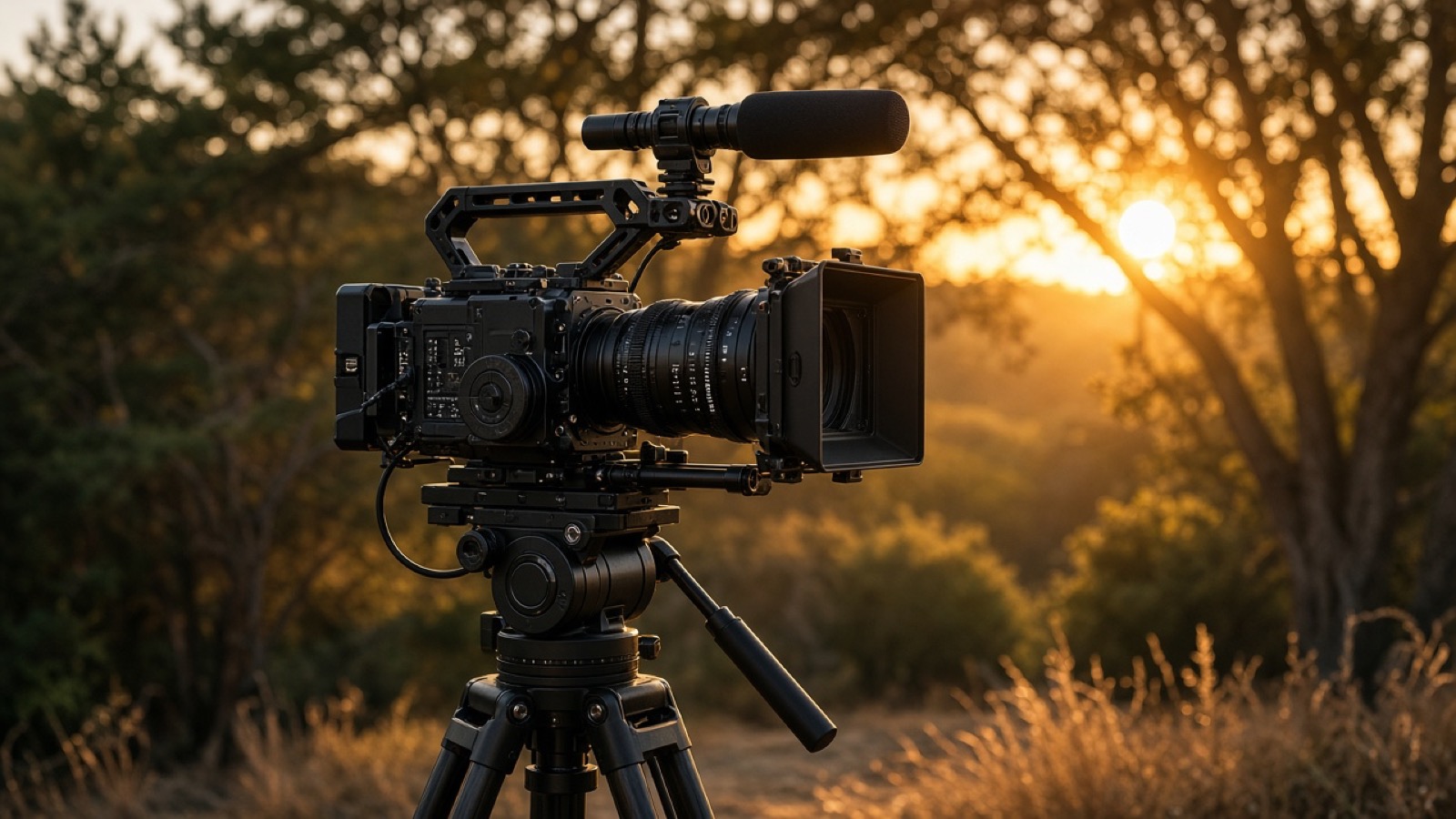
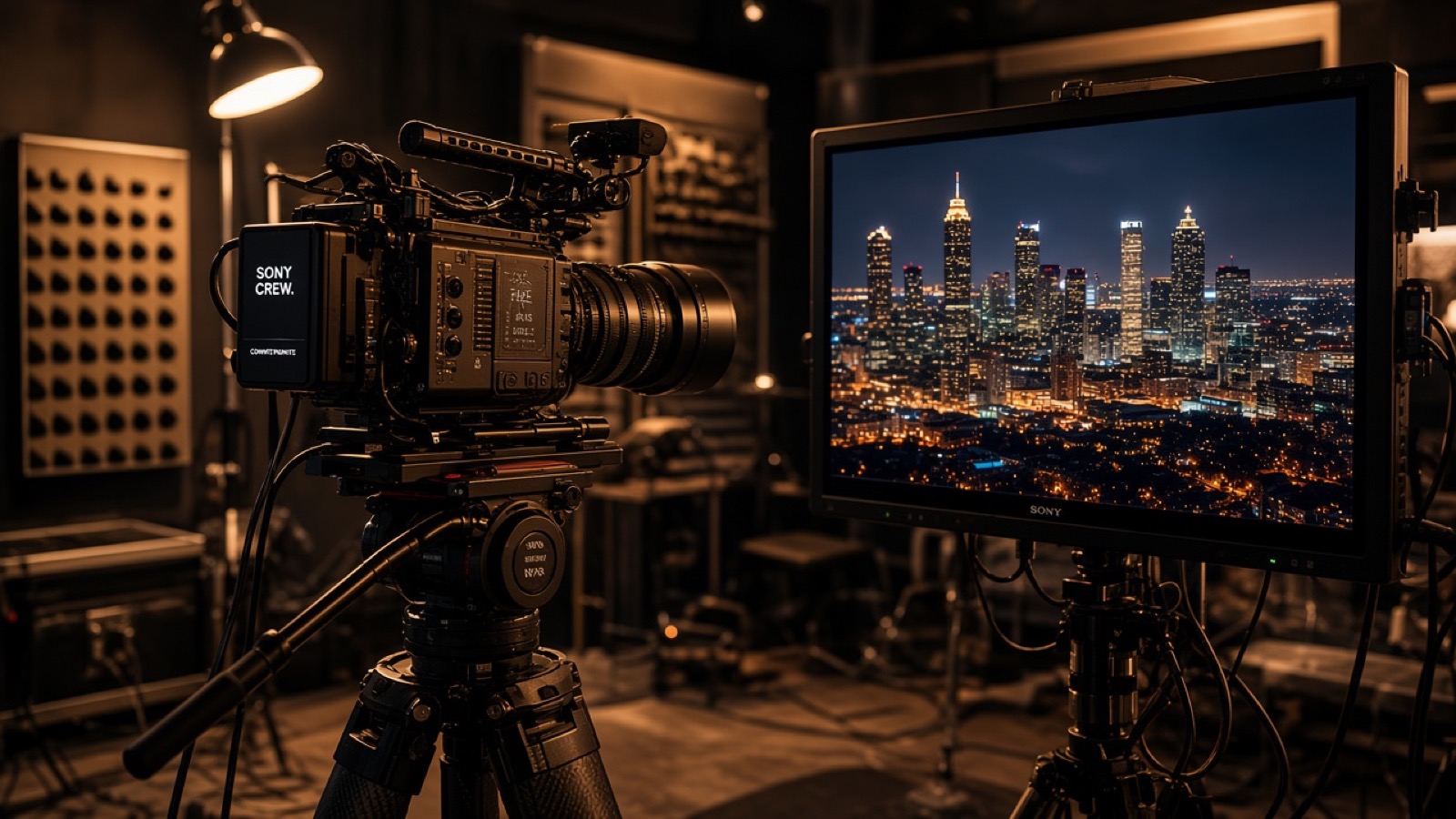
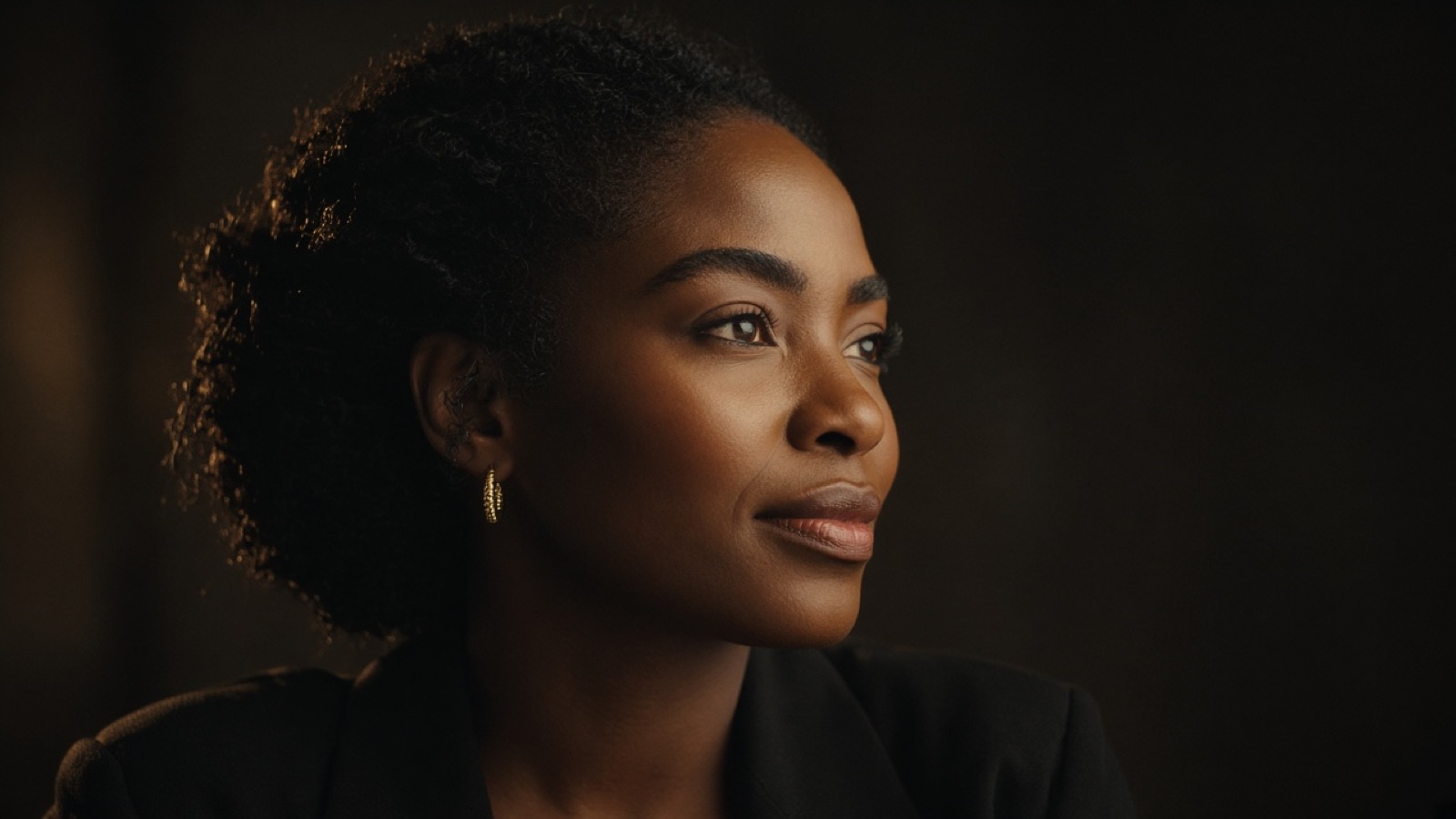
Light is an argument about care. A face lit with intention tells the viewer the subject mattered. GODOX fixtures and a clear key are how the studio makes that argument on location, alongside Sony FX6 and FX3 bodies that can hold the range for a later grade. Sound is the argument about honesty. RODE audio, placed close, lets a real voice stay real. If the voice is buried, the claim feels buried too.
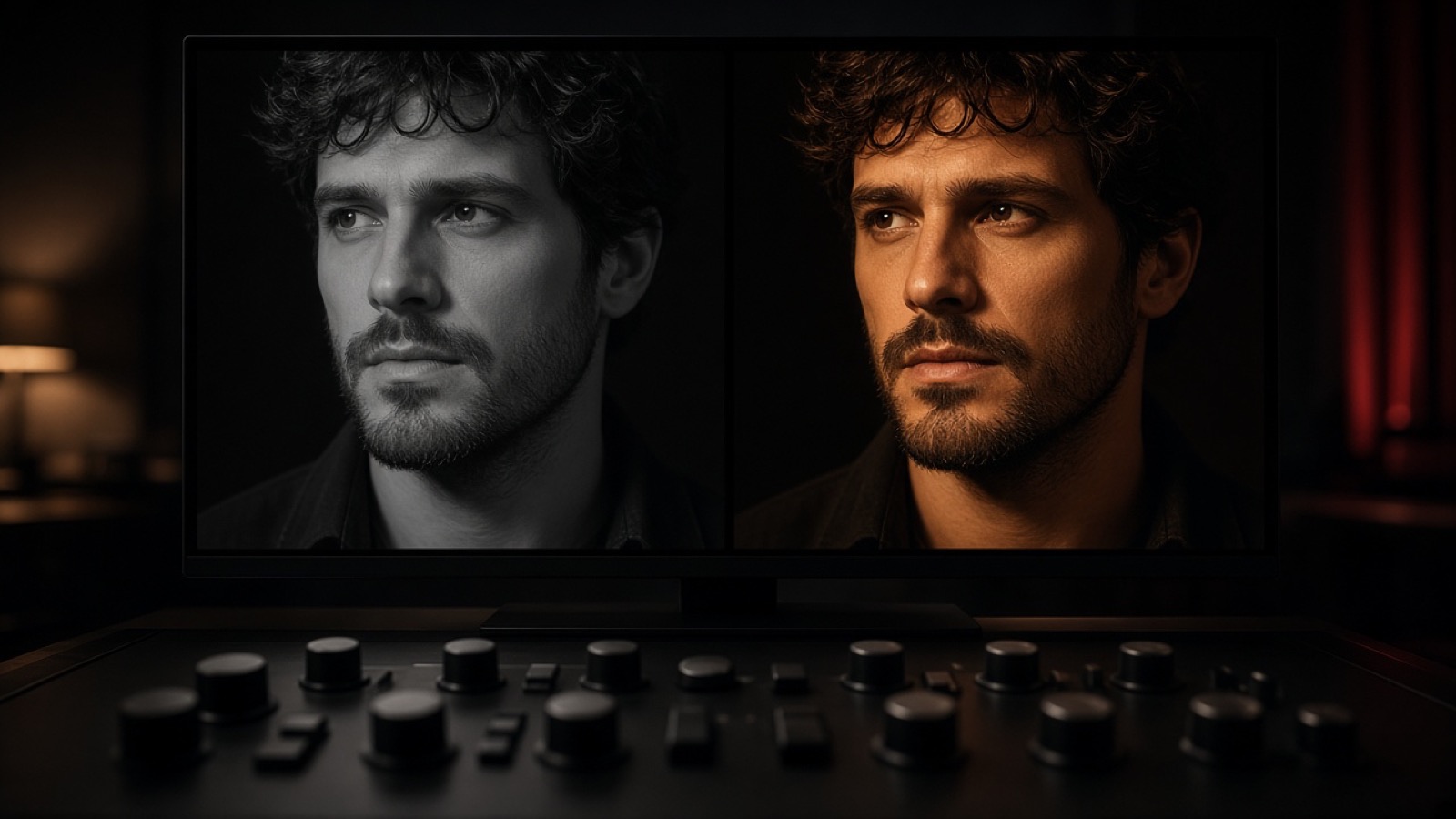
Pacing is the argument about respect. Cut when the idea is done, not when the timeline feels short. Hold when the face is still saying something the line already finished. A brand film can be ninety seconds and feel long, or three minutes and feel inevitable. The clock is not the craft. The agreement between picture and point is the craft. Color finishes that agreement, which is why grading is not optional on a film that represents a company.
Trust is the metric an ad cannot fake
An ad can be clever and still feel like a costume. A brand film fails if the viewer senses a gap between the claim and the evidence. Show the work. Show the person who does it. Show a constraint you actually face. Specifics are more persuasive than adjectives. "We care" is weak. A scene of preparation before a live room is strong, and the studio has lived that preparation at One Music Fest, on the iHeart podcast Storytime with Legendary Jerry, and in civic and campaign rooms.
The film should also know where it will live. A homepage hero, a sales call, and a conference opener are different rooms. Build the cut for the room, then make shorter versions from the same spine rather than shooting a pile of unrelated lines. When the film and the website share a point of view, the full stack is visible to the buyer. You can see finished pieces on the portfolio, and the kit behind them in the location setup essay.
Trust is what remains when the music ends and the viewer still believes the person on screen.
A practical way to begin
Write the two sentences. List five images that prove them and five you are tempted to shoot because they look expensive. Keep the first list. Interview with questions that produce stories, not slogans. Record room tone. Leave time to grade. Show a cut to someone who does not love you and ask what they think the company does. If they cannot answer, the film is not done.
Then put the film where a decision happens. A beautiful file in a folder is not storytelling. Storytelling includes the moment a buyer meets it and the path they can take after. That is why the studio pairs picture with pages and systems. The story should move someone, and then the business should be ready for them.
Practical takeaways
- Write two sentences: who the film is about, what they want, and what stands in the way.
- Let light, sound, and pace prove care. Do not ask music to cover a thin idea.
- Prefer specific proof over adjectives. Show the work and the constraint.
- Grade the picture so every cut belongs to the same claim.
- Place the film where a decision happens, with a clear next step beside it.
Make something people can believe
Brand storytelling is a discipline you can practice. Cochran Films practices it with clients who want more than a costume. If that is the film you need, look at the work first. Then bring the two sentences, even if they are still rough. The studio can help you find the images that make them true. The audience will feel the difference between a claim and a story. Give them the story.
Tags: brand storytelling, brand film, trust, light and sound, audience