Conference planners are judged on rooms they cannot fully control. The keynote runs long. The breakout moves. The sponsor expects a clip before the last session ends. Corporate event videography in Atlanta succeeds when the plan respects that reality. This field guide is for the planner who needs a record, a recap, and a crew that will not add chaos to an already full day.
Cochran Films has an ongoing working relationship with the City of Douglasville, and that civic work is a fair picture of reliability. Public rooms, firm start times, and audiences who notice when something feels careless. The same habits apply to a corporate conference: arrive early, know the run of show, and leave with footage that can be finished, not a pile of cards no one wants to open.
Cover the keynote like a show
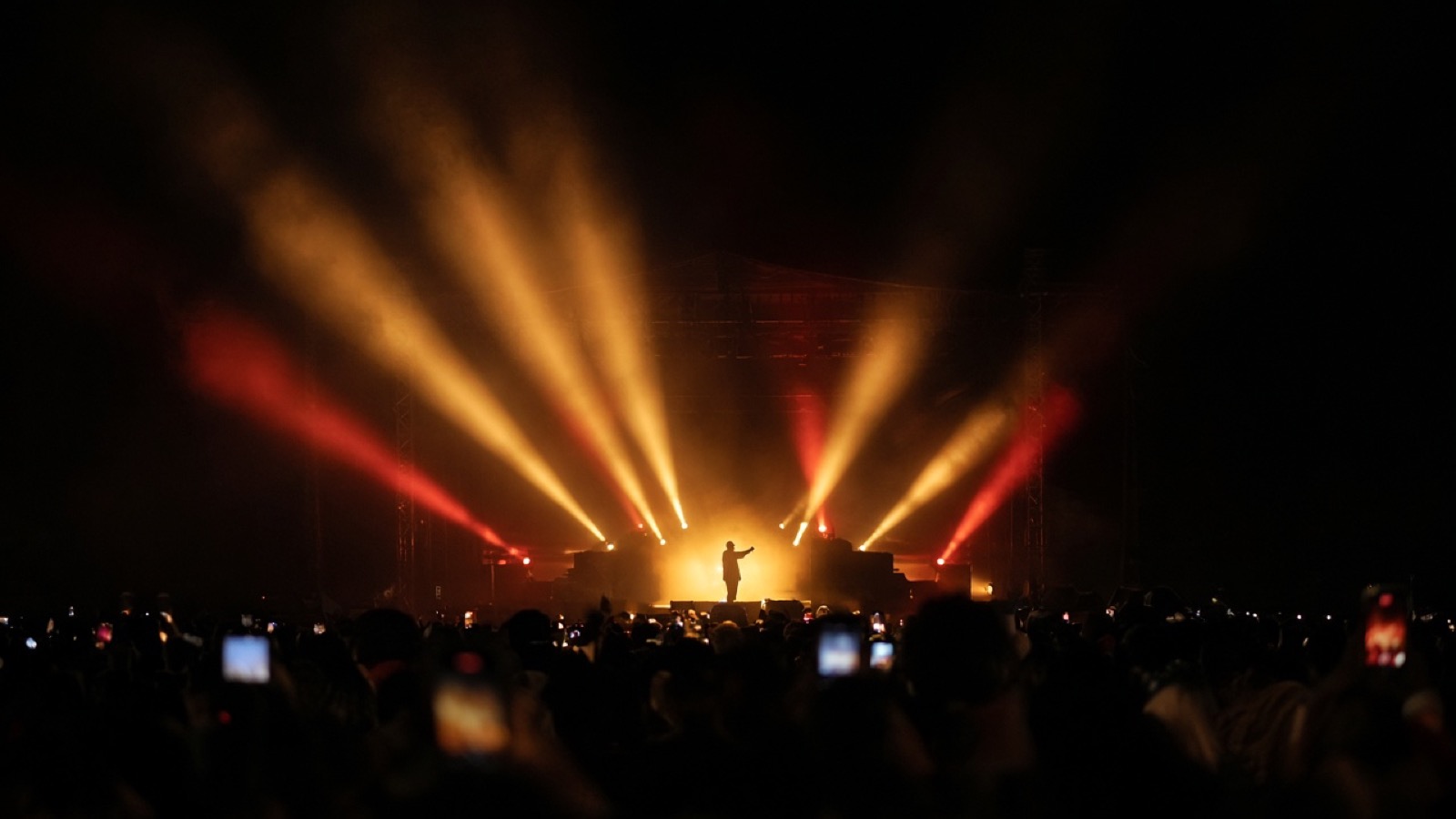
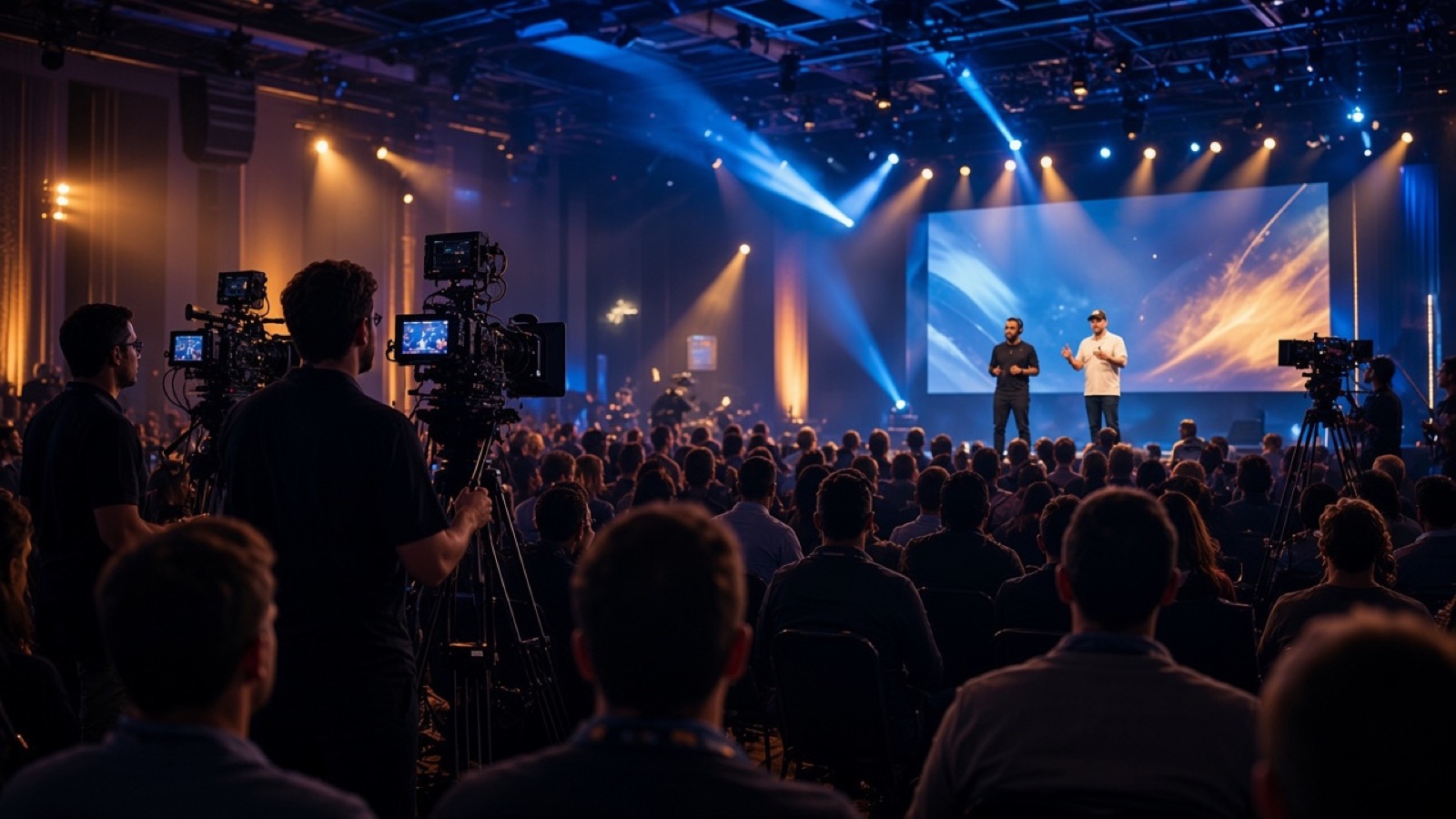
A keynote is a stage, a voice, and a room. One camera at the back can record that a talk happened. It cannot cover a speaker who walks, a slide that matters, and a reaction in the same minute. For a large room, two videographers are the minimum that feels professional. One holds the wide and the safety record. The other moves for a closer frame, a cutaway, and the moment the speaker steps off script.
Sound is not optional color. A board feed, a recorder on the presenter, or both, will save a talk that the room mic muddies. Confirm the feed in rehearsal, not when the walk up music ends. If there is no board feed, say so in the scope so no one pretends the back of the room mic was the plan. The lessons from larger stages in from Douglasville to the main stage come from the same rule: redundancy is respect for the event.
Breakout sessions are a different sport
Breakouts are tighter, louder, and easier to understaff. A single operator can cover a small room if the frame and the audio are planned. Two sessions at the same time require two people, or a hard choice about which room gets the record. Planners should rank sessions before the day. "Film everything" with one crew is a wish, not a schedule.
Also decide the deliverable for a breakout. A full recording for internal training is a different edit from a ninety second recap for sponsors. Those are both valid. They are not the same hours in post. Write them down when you book, while the run of show is still a document and not a memory.
Color, cuts, and what done means
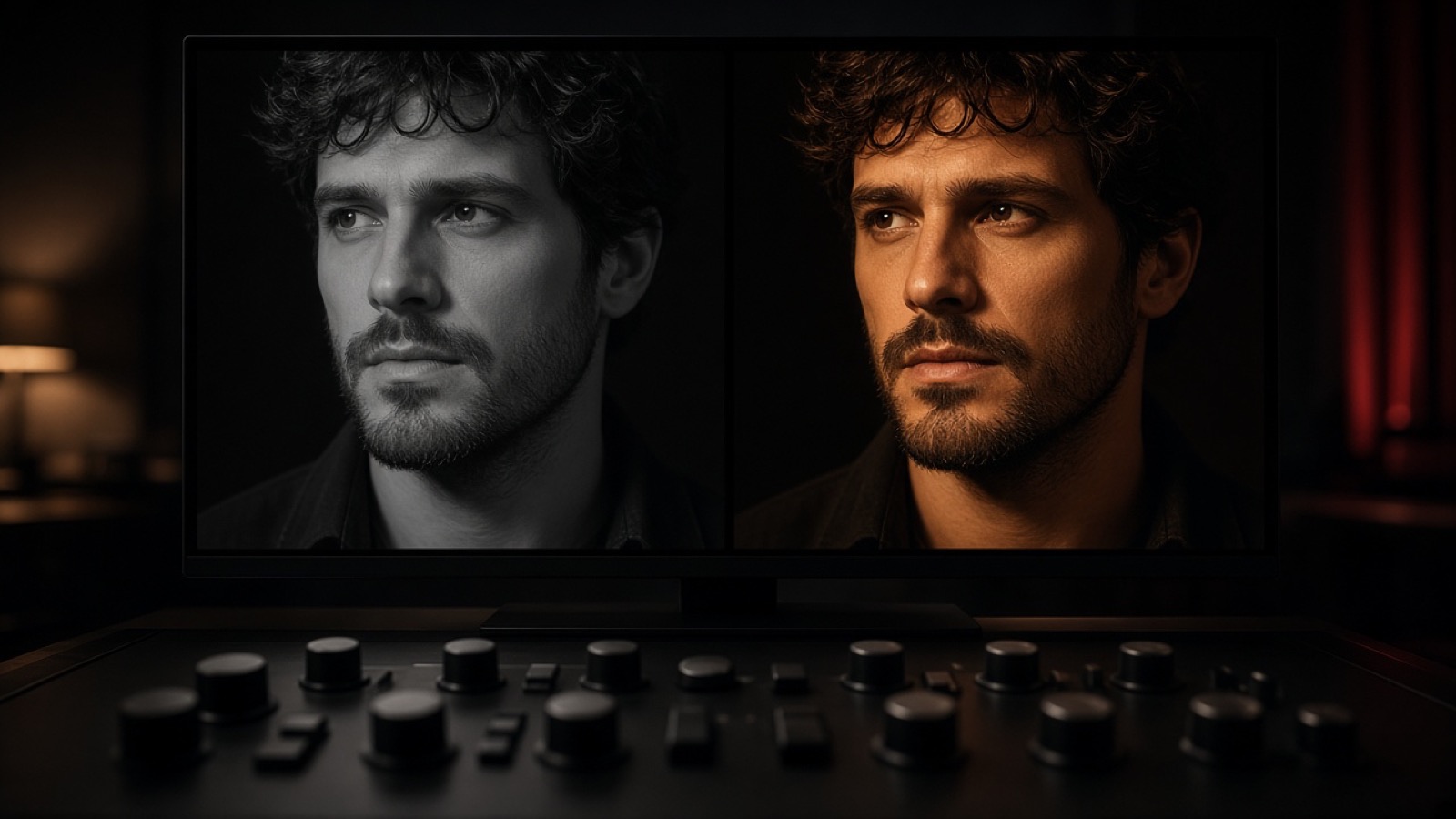
Event footage is not finished when the cards are backed up. Room light is mixed. Stages are often blue, magenta, or both. Grading every clip is labor intensive, and it is how a recap stops looking like a security camera. Cochran Films treats color as craft. The guide to color grading explains the difference between a corrected clip and a finished one. Planners do not need to grade. They need to know the scope includes it.
Define delivery in plain language. How many recap films, how long, which sessions are full archives, what titles and logos appear, and when the first cut is due. A same week highlight and a full archive can both exist. They should not be described as "the video." Files should arrive in a way your team can open. For larger sets, a secure handoff through Bizzi Cloud keeps the transfer professional. A personal inbox full of links is not a system.
Two cameras in a large room are not a luxury. They are how the talk survives the edit.
The planner's checklist before the contract
Share the agenda, the floor plan, and the names of the people who can approve a shot in the aisle. Say whether sponsors must be avoided or featured. Say whether attendees may be on camera. Those answers change where a camera stands. A crew that learns the rules at the door will miss the opening, or will film something you cannot publish.
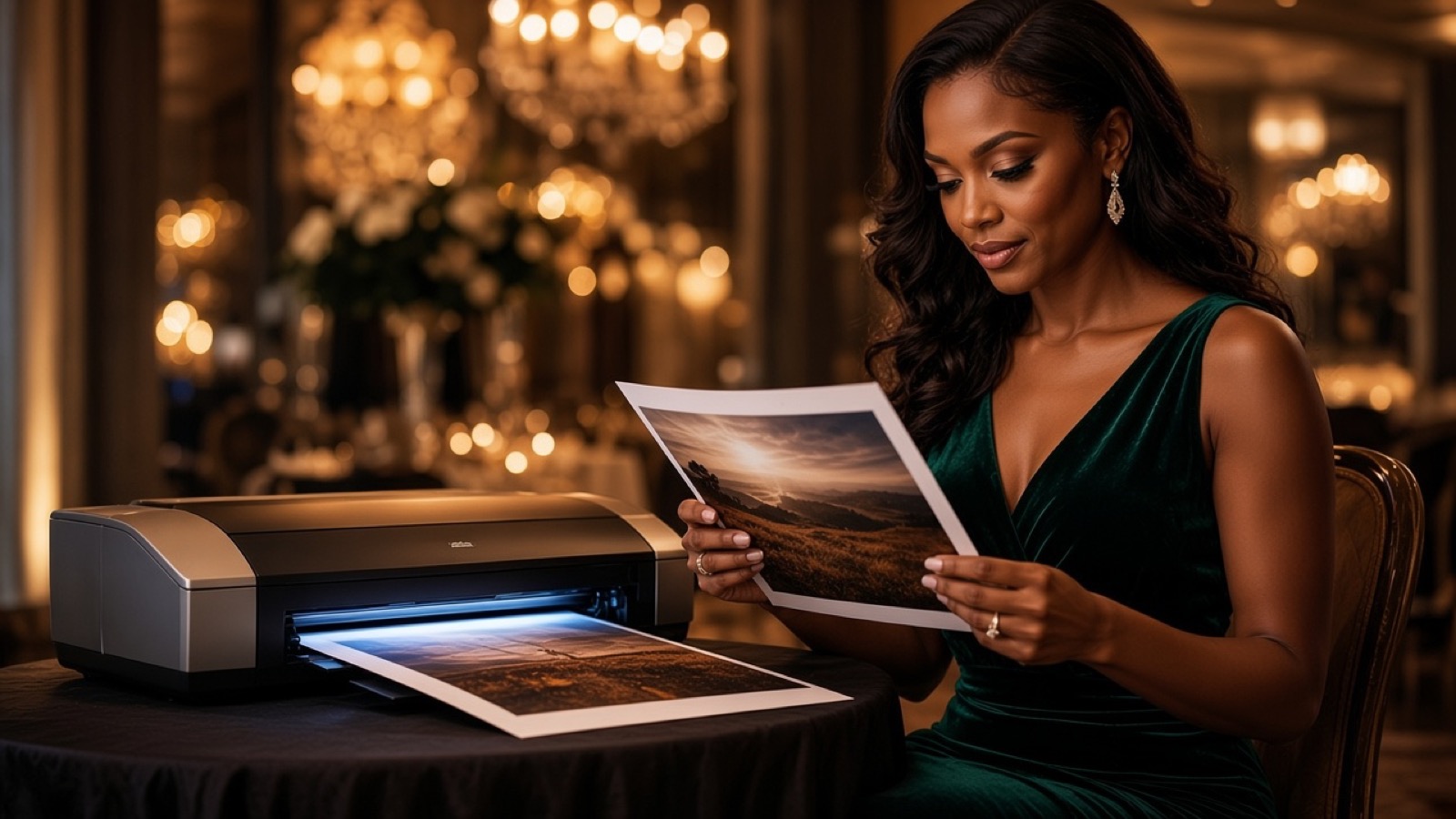
Ask who is on site and what they carry. A conference day is a poor time to discover there is no second body, no charged battery plan, and no one watching audio. Cochran Films shows up with a location kit built for this work, including Sony FX6 and Sony FX3 options, GODOX lighting when a room needs help, and RODE audio when a feed is not enough. You can compare that kind of scope with the rest of the studio on the services page. If the event also needs a guest takeaway, read how on site printing fits the same day.
Practical takeaways
- Book two videographers for a large keynote. One wide safety angle and one closer operator.
- Lock a board feed or a presenter mic in rehearsal.
- Rank breakout rooms. One crew cannot be in two sessions at once.
- Write the edit list: highlights, full archives, titles, and the due date.
- Include color and a real delivery path in the scope so "done" means finished, not copied.
Plan the record before the doors open
A conference is a live performance with a paper trail. The videography should be planned with the same seriousness as the stage plot. When you know the rooms, the sound, the crew count, and the files you will receive, the day gets calmer. That calm is what planners are hiring. If your next program needs that kind of coverage, bring the run of show to Cochran Films and scope it before the truck is at the dock.
Tags: corporate events, conference video, keynote coverage, event planning, Douglasville