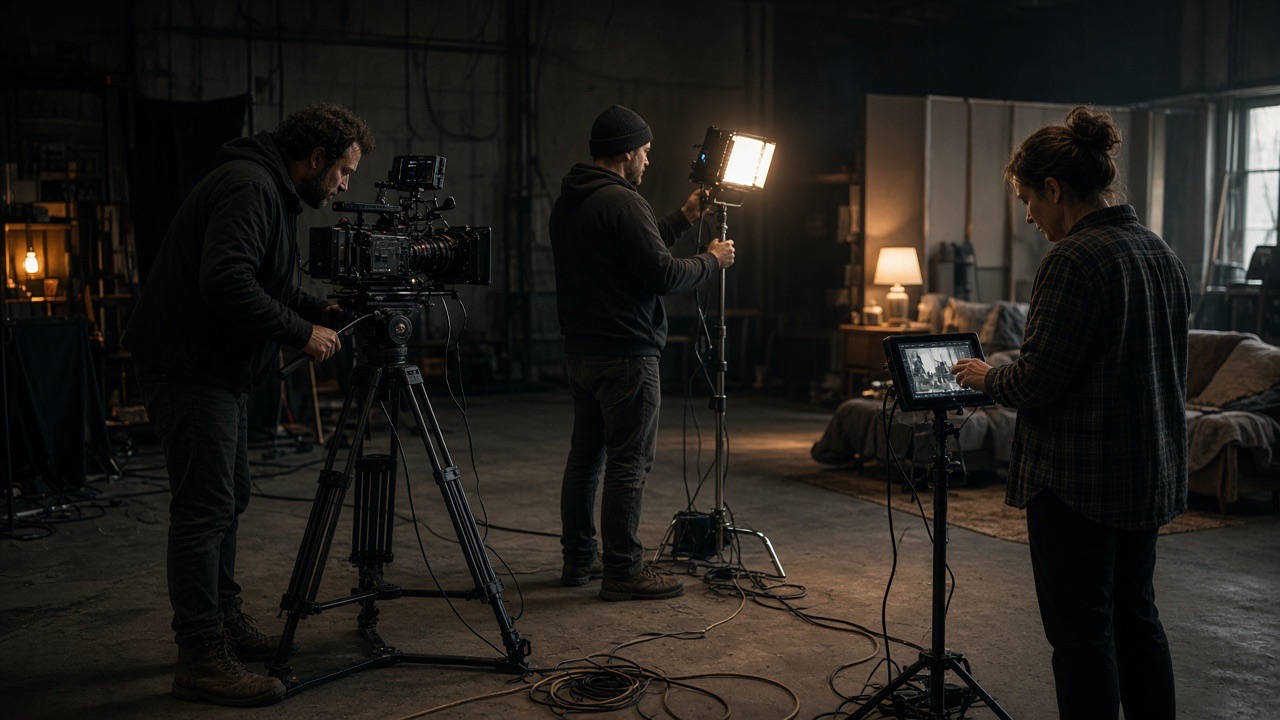
Hours on set are not the product. Price the finished result, the date it will exist, the revisions included, and the delivery, or the fee will describe a day instead of a job. A day rate invites the client to count hours. A finished job invites them to decide whether the result is worth the number.
The camera is a cost. The offer is what they buy. If the offer is "I will be there from nine to five," you will be compared with anyone who owns a body. If the offer is "a four-minute recap, graded, captioned, and in your hands in five days," you are compared with the outcome they need.
Put the edges in the price
Say what done looks like. Say how many revisions. Say whether the vertical cut, the stills, and the raw archive are included or priced beside it. A missing edge becomes a free job after the fact, and free jobs make the next quote look expensive. The piece on the offer as the product walks the value equation. This is the sentence on the proposal.
Creator Collective is where that proposal can live as an estimate the client accepts, instead of a PDF that dies in a thread. Membership starts at $37 a month. The tool does not set your price. It stops the price from being a conversation you have to reconstruct.
A floor, then a job
Know what a day must earn after tax, gear, and overhead. That number is a floor. The job price sits above it because the result includes prep, the grade, and the handoff, not only the hours the client can see. If the math does not clear the floor, the job is a favor. Say so, or do not take it.
A direct next step
Rewrite your last quote so the first line is the finished thing, not the call time. If the client cannot tell what they will hold at the end, the price is still a day rate with extra words.
Tags: pricing, offers, value, Creator Collective